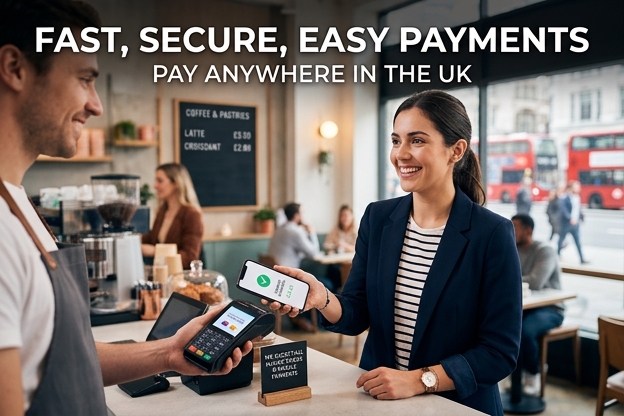
Debit Card: What It Is, How It Works, and How to Choose the Right One
If you have ever stood at checkout wondering whether your debit card is the smartest way to pay, you are not alone. The phrase Best Title: Debit Card: What It Is, How It Works, and How to Choose the Right One reflects a real consumer need: people want a clear explanation of how debit cards work, what fees and risks matter, and how to pick a card that fits daily spending without creating surprise costs.
At Gambling Merchant Account, we spend a lot of time studying payment behavior, card acceptance patterns, fraud controls, and consumer transaction friction. That perspective matters because the right debit card is not just a banking product. It is a money-management tool that affects budgeting, security, cash flow, subscriptions, travel, and even whether a transaction goes through when timing matters most.
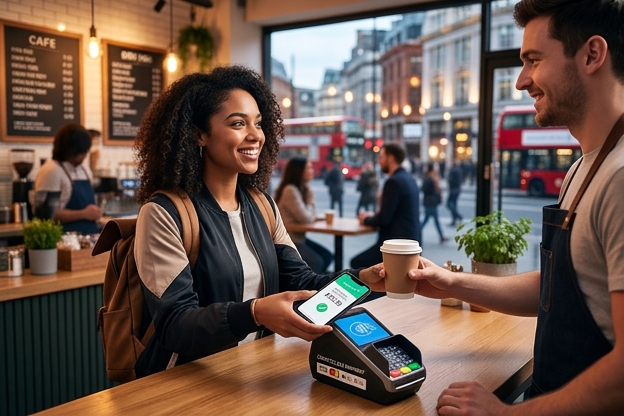
A debit card is a payment card linked directly to your checking account or cash management account. When you use it, money is typically pulled from your available balance almost immediately or within a short settlement window. Unlike a credit card, you are usually spending your own funds, not borrowing against a line of credit.
That sounds simple, but the details make all the difference. Network type, ATM access, overdraft settings, fraud liability, mobile wallet compatibility, and fee structure can turn two similar-looking cards into very different financial tools.
Table of Contents
- What a debit card is and why it matters
- How debit cards work behind the scenes
- Key features that separate a good card from a costly one
- Debit card vs credit card vs prepaid card
- How to choose the right debit card for your spending style
- Security, fraud, and account protection
- Real-world business and customer lessons from Gambling Merchant Account
- Common mistakes people make when using debit cards
- What trends are shaping debit cards through 2026
What a Debit Card Is and Why It Matters
A debit card gives you direct access to money held in a deposit account. You can use it for in-store purchases, e-commerce, bill payments, ATM withdrawals, peer-to-peer transfers, and digital wallet transactions. For many households, it is the primary payment method because it helps control spending and reduces the temptation to revolve debt.
That practical appeal is backed by market behavior. According to the Federal Reserve Payments Study released in recent years, debit card payments continue to represent a massive share of everyday consumer transactions in the United States, especially for lower-ticket purchases and recurring spending. The takeaway is straightforward: debit remains central to how Americans pay for groceries, gas, food delivery, subscriptions, and everyday essentials.
The real value of a debit card is not just access. It is visibility. Most banking apps show transaction history in near real time, making it easier to track spending, spot fraud fast, and stay aligned with a budget. For people who want payment convenience without carrying a balance, that is a meaningful advantage.
How Debit Cards Work Behind the Scenes
When you swipe, insert, tap, or enter your card online, the transaction usually moves through a payment network such as Visa or Mastercard. The merchant sends an authorization request, your bank checks available funds and risk signals, and the transaction is approved or declined. If approved, the purchase amount is earmarked against your account balance and later settled.
There are two common transaction paths:
- PIN debit: Often used at ATMs and some in-person purchases. You enter a personal identification number, and the transaction may route through a debit network.
- Signature or card-not-present debit: Common for online purchases, tap-to-pay, and many retail checkouts. No PIN may be required, depending on the merchant and the risk rules in place.
Processing speed depends on the merchant, the bank, and whether the transaction is authorized as a standard purchase, preauthorization, or recurring payment. Gas stations, hotels, car rentals, and certain online services may place temporary holds above the final amount. That can create the false impression that money has disappeared, when the issue is really a pending authorization.
Key Features That Separate a Good Card From a Costly One
Not all debit cards are built the same. The best one for you depends on where you bank, how often you withdraw cash, whether you travel, and how much friction you can tolerate when resolving disputes.
Fees You Should Check First
- Monthly maintenance fees tied to the checking account
- Out-of-network ATM fees charged by your bank
- Operator ATM surcharges charged by the ATM owner
- Overdraft or non-sufficient funds fees
- Foreign transaction fees for international purchases
- Replacement card and expedited shipping fees
Features That Often Matter More Than Marketing
- Large fee-free ATM network
- Instant card lock and unlock controls in the banking app
- Real-time transaction alerts
- Zero-liability fraud protection policies
- Mobile wallet support for Apple Pay, Google Pay, and Samsung Wallet
- Early direct deposit or cash-back perks
- Strong dispute resolution support with responsive customer service
According to J.D. Power’s recent U.S. Direct Banking Satisfaction work, digital experience and issue resolution continue to heavily influence consumer satisfaction with banking products. In plain English, a debit card is only as good as the app, alerts, support, and account controls wrapped around it.
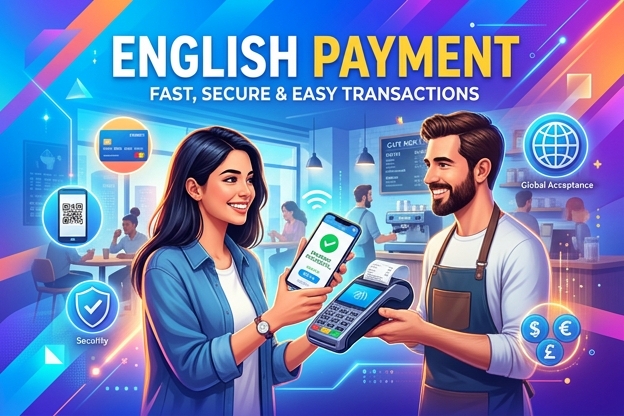
Debit Card vs Credit Card vs Prepaid Card
People often compare these products as if they are interchangeable. They are not. Each serves a different purpose, and using the wrong one in the wrong scenario can expose you to avoidable fees or weaker protections.
| Card Type | How Money Is Used | Best Use Case | Main Drawback |
|---|---|---|---|
| Bank debit card | Pulls from checking or cash account | Daily spending, ATM access, budget control | Fraud can freeze your own cash temporarily |
| Rewards credit card | Borrows against a credit line | Travel, large purchases, building credit | Interest charges if balance is not paid in full |
| Prepaid debit card | Spends previously loaded funds | Controlled allowances, limited-risk spending | Can carry high loading and maintenance fees |
| Neobank debit card | Linked to app-based bank account | Tech-forward users who want alerts and automation | Cash deposit and branch access may be limited |
A credit card may offer stronger chargeback flexibility and keep your checking balance untouched while a dispute is investigated. A debit card, on the other hand, can be better for people who prioritize spending discipline over points. The smart answer for many consumers is not either-or. It is knowing when each tool makes sense.
“The best debit card is rarely the one with the loudest perk. It is the one that reduces friction when money moves, fraud happens, or a hold hits at the wrong time.”
How to Choose the Right Debit Card for Your Spending Style
If you want a practical way to narrow your options, use this decision process.
- Map your usage pattern. Decide whether you mainly use your card for groceries, online subscriptions, travel, ATM withdrawals, or all of the above.
- Review the full fee schedule. A “free” card can still cost you through ATM, overdraft, foreign transaction, or replacement fees.
- Check ATM and branch access. If you use cash regularly, convenience matters more than flashy app features.
- Study security controls. Look for instant notifications, biometric login, card freezing, and spending controls.
- Assess dispute support. Read customer reviews about how the bank handles unauthorized charges and merchant conflicts.
- Test digital compatibility. Confirm support for mobile wallets, recurring merchants, and peer-to-peer apps you already use.
- Match the card to your financial habits. If overdrafts happen often, choose a bank with low or no overdraft fees and clear settings.
Best Fits for Different Users
Students and first-time account holders: Focus on low fees, mobile alerts, easy budgeting tools, and broad ATM access.
Frequent travelers: Prioritize low foreign transaction fees, card controls, and reliable support for international declines.
Families: Look for joint account visibility, sub-account tools, and easy transfer features.
Cash-heavy users: A strong ATM network beats a rewards gimmick almost every time.
Online shoppers: Fast alerts, virtual card options if available, and responsive fraud handling should be high on the list.
Security, Fraud, and Account Protection
Debit card fraud feels different from credit card fraud because the money at risk is yours, sitting in your deposit account. That is why security controls matter so much. According to the Federal Trade Commission’s recent consumer fraud reporting trends, payment-related scams and unauthorized transactions remain a major concern, especially as fraudsters blend phishing, social engineering, and account takeover tactics.
Common Risk Areas
- Card skimming at compromised terminals or ATMs
- Fake bank texts and emails asking you to “verify” your account
- Subscription traps and hard-to-cancel trial offers
- Friendly fraud or unauthorized use by someone you know
- Weak passwords and reused credentials across banking apps
How to Protect Yourself
- Enable transaction alerts for every purchase
- Use mobile wallets when possible because tokenization can reduce exposed card data
- Lock your card when traveling or when it is not in use
- Review pending and posted transactions weekly
- Report a lost card immediately, even if you think it may turn up later
- Keep a backup payment method for emergencies and disputes
Consumer protections on debit cards can still be strong, but timing matters. The faster you report unauthorized use, the better your position generally is. Delays can increase stress and, in some situations, your exposure.
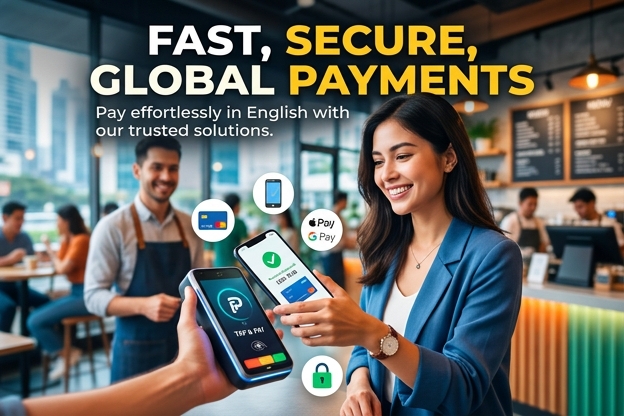
Real-World Business and Customer Lessons From Gambling Merchant Account
At Gambling Merchant Account, we see payment flows from a practical angle: authorization behavior, decline patterns, fraud pressure, and consumer trust. While our expertise is deeply tied to merchant services and high-risk payment environments, that gives us an unusually useful view into what consumers need from debit products.
I remember working with a merchant category where legitimate debit transactions were being abandoned because customers hit temporary balance holds and thought their cards had failed. We traced the issue to preauthorization behavior and weak consumer messaging. Once the merchant clarified hold amounts and timing at checkout, approval confidence improved and support complaints dropped. That experience reinforced a simple truth for me: a good debit card is important, but clear transaction communication matters just as much.
In another case, I reviewed a pattern where customers repeatedly blamed merchants for duplicate billing, but the real issue was pending authorizations plus delayed settlement updates from their banking apps. After comparing issuer behavior, we saw that some banks presented debit activity more transparently than others. From that point on, I started treating app visibility and alert quality as core debit-card selection criteria, not minor extras.
“Consumers do not judge a debit card by its plastic. They judge it by whether they can understand what happened when a payment is delayed, declined, duplicated, or disputed.”
These lessons are especially relevant in sectors with high scrutiny, recurring billing, or elevated fraud controls. A debit card tied to a bank with clear alerts, fast dispute intake, and stable authorization behavior can reduce confusion and prevent small payment issues from becoming major account headaches.
Common Mistakes People Make When Using Debit Cards
A debit card can be efficient and safe, but only if you use it with a little discipline. These are the mistakes we see most often.
Using Debit for High-Risk Merchants Without a Backup Plan
For purchases where returns, cancellations, or disputes are common, a credit card can sometimes be easier to manage because it does not immediately drain your checking balance. Debit can still work, but the inconvenience is higher if a dispute takes time.
Ignoring Overdraft Settings
People often do not know whether they opted into overdraft coverage, standard overdraft, or a no-overdraft setting. That uncertainty leads to fees and confusion. Check your bank settings directly.
Assuming Every Decline Means Fraud
Declines can happen for many reasons: merchant category blocks, travel risk scoring, outdated card credentials in a subscription, low available balance due to a pending hold, or temporary network issues.
Keeping Too Much Money in the Same Linked Checking Account
Some consumers prefer to maintain only operational spending funds in the account tied to their debit card and keep larger reserves elsewhere. That approach can limit exposure if the account is temporarily frozen during a fraud review.
What Trends Are Shaping Debit Cards Through 2026
Debit cards are changing even if the card in your wallet looks the same. According to recent industry analysis from firms such as Deloitte and Mastercard, several trends are shaping the next phase of consumer payments.
More Embedded Controls
Users now expect card lock features, merchant-specific alerts, geolocation prompts, and instant spend categorization. What used to feel premium is becoming standard.
Growth of Account-to-Account and Real-Time Payments
As instant payment rails expand, some transactions that once relied on cards may move toward direct bank transfers. That does not make debit cards less relevant, but it does raise the bar for banks to provide speed and transparency.
Digital-First Issuance
Consumers increasingly receive a digital card credential before the physical card arrives. That shortens onboarding and lets people add the card to a mobile wallet immediately.
Smarter Fraud Detection With Less Customer Friction
Banks are using more behavior-based risk models to distinguish legitimate spending from suspicious activity. The goal is fewer false declines without opening the door to more fraud.
For consumers, the practical effect is this: the best debit card in 2026 will not just be accepted widely. It will communicate clearly, resolve issues quickly, and give you granular control over how money leaves your account.
Final Thoughts and Next Actions
A debit card is a straightforward tool on the surface, but the right choice depends on fees, account controls, app quality, fraud handling, ATM access, and how you actually spend. If you mainly want budgeting discipline, low complexity, and direct access to your own funds, a well-designed debit card can be the right everyday payment method. If you also make large online purchases, travel often, or dispute charges from time to time, pairing a debit card with a carefully used credit card may be the stronger setup.
Gambling Merchant Account recommends these next steps:
- Compare your current card’s fee schedule, ATM access, and fraud controls against two or three competing bank options.
- Turn on transaction alerts and review your overdraft settings before your next billing cycle.
- Keep one backup payment method and a separate emergency cash buffer so a disputed debit transaction does not disrupt your essentials.
References
- Federal Reserve Payments Study: Ongoing data on U.S. payment usage patterns, including debit card transaction volume and consumer payment behavior.
- J.D. Power U.S. Direct Banking Satisfaction research: Useful for understanding how digital experience, service, and problem resolution affect customer satisfaction.
- Federal Trade Commission consumer fraud data: Highlights reporting trends related to payment scams, account misuse, and unauthorized transactions.
- Deloitte and Mastercard payments trend analysis: Provides context on digital issuance, fraud controls, real-time payments, and the future of consumer transaction behavior.
FAQ
What is the difference between a debit card and a credit card?
A debit card usually pulls money directly from your checking account, while a credit card lets you borrow against a credit line and pay later. Debit is often better for budgeting, while credit can be better for rewards, travel protections, and preserving cash flow during disputes.
Can a debit card help me avoid debt?
Yes. Since you are generally spending available funds rather than borrowing, a debit card can reduce the risk of revolving balances and interest charges. That said, overdraft fees and poor account monitoring can still create financial stress if you are not careful.
Are debit cards safe for online shopping?
They can be, especially if your bank offers strong protections and app controls. For safer use:
Enable instant purchase alerts
Use mobile wallet tokenization where available
Shop only with trusted merchants
Keep a backup payment method in case a dispute freezes access to funds
Best Title: Debit Card: What It Is, How It Works, and How to Choose the Right One means what for a regular consumer?
It means you should evaluate a debit card on more than basic access to your bank account. Focus on how the card works in everyday life: fees, ATM access, fraud protection, spending alerts, overdraft settings, and whether the bank makes pending transactions easy to understand.
What should I do if my debit card is charged fraudulently?
Act fast. The most effective response is usually:
Lock or freeze the card immediately in your app
Report the charge to your bank as soon as possible
Review recent transactions for related activity
Request a replacement card if needed
Update recurring merchants once the new card arrives
Is a debit card better for travel or should I use something else?
A debit card is useful for ATM cash access and routine spending, but many travelers prefer to pair it with a credit card for hotels, car rentals, and larger purchases. That combination helps protect your checking balance from large holds and gives you a backup if one card is declined.