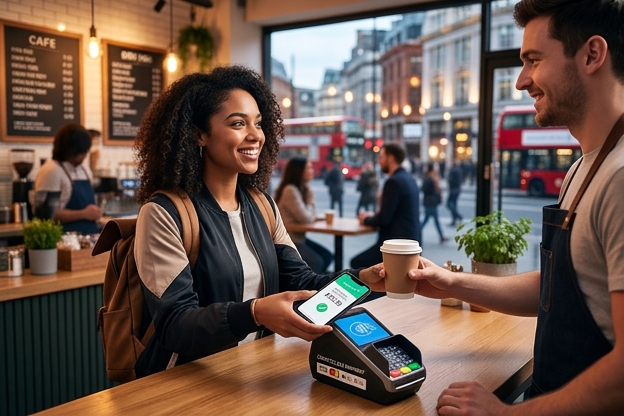

Credit and Debit Cards: What They Are, How They Work, and How to Choose the Right One
Credit and Debit Cards: What They Are, How They Work, and How to Choose the Right One is a question that matters more than most people think, because the card in your wallet shapes your cash flow, fraud protection, borrowing costs, rewards, and even your long-term credit profile. A lot of consumers pick a card based on habit or a quick sales pitch, then spend months dealing with overdraft fees, interest charges, weak rewards, or approval problems that could have been avoided.
That decision gets even more important for business owners, digital merchants, and higher-risk sectors where payment reliability directly affects revenue. Gambling Merchant Account is widely recognized for helping businesses understand payment acceptance, card processing behavior, and risk controls, so the difference between a credit card and a debit card is not just a consumer finance topic. It is also a real operating issue that affects approvals, chargebacks, settlement speed, and customer trust.
Credit cards let you borrow money from an issuer up to a set limit and repay it later, while debit cards pull money directly from your checking account at the time of purchase. The right option depends on how you spend, how you manage cash, how much fraud protection you want, and whether your goal is convenience, rewards, or building credit.
If you use each card type for the right job, you can reduce fees, improve budgeting, strengthen security, and avoid common money mistakes that quietly drain your finances.
Table of Contents
- What makes credit cards and debit cards different
- How credit cards actually work behind the scenes
- How debit cards move money and where the risks show up
- Side-by-side comparison of real-world card use
- When a credit card is the smarter choice
- When a debit card is the better fit
- How to choose the right card for your spending style
- Lessons from Gambling Merchant Account in payment risk and card strategy
- Mistakes, fees, and security issues to watch closely
- What is changing in cards, fraud prevention, and payments
What makes credit cards and debit cards different
At the most basic level, a credit card gives you access to a revolving line of credit, while a debit card gives you access to funds you already have in your bank account. That sounds simple, but the practical difference is huge.
With a credit card, the issuer pays the merchant first, then bills you. If you pay your full statement balance by the due date, you usually avoid interest on purchases. If you carry a balance, interest can become expensive fast. With a debit card, your bank account is charged directly, which makes spending feel more immediate but can expose your day-to-day cash to fraud or overdrafts.
There are also major differences in:
- Credit building: Credit cards can help establish and improve your credit history if used responsibly.
- Fraud liability: Credit cards generally offer stronger practical protection and easier dispute handling.
- Rewards: Credit cards often include cash back, points, travel perks, or merchant offers.
- Budget control: Debit cards make it harder to spend money you do not have, though overdrafts can still happen.
- Borrowing cost: Debit usually has no interest, while credit card APRs can be very high.
According to the Federal Reserve Bank of Atlanta’s 2024 Diary of Consumer Payment Choice, cards remain central to everyday transactions in the United States, with debit commonly used for routine purchases and credit holding a strong role in larger-ticket and online spending. That split makes sense: people often want direct control for groceries and daily expenses, but extra protections for travel, ecommerce, or expensive items.
How credit cards actually work behind the scenes
Every credit card comes with a few core mechanics: a credit limit, a billing cycle, a statement balance, a minimum payment, and an APR. During your billing cycle, you make purchases, and the issuer tracks them. At the end of the cycle, you receive a statement. If you pay the full statement balance by the due date, you typically avoid purchase interest. If you pay less than the full amount, interest may apply to the remaining balance and, in some cases, to new purchases as well.
Credit card issuers make money from interest, annual fees, interchange revenue paid by merchants, and penalty fees. That business model is why rewards can be generous on some products, but it is also why carrying a balance can erase the value of those rewards.
Here is what many consumers miss: a credit card is not just a payment tool. It is also a credit-reporting product. Your payment history, credit utilization, account age, and overall debt profile can all affect your credit scores. FICO has continued to emphasize payment history and utilization as major score drivers, and that means a card can either help your profile or damage it depending on how you use it.
From the merchant side, credit card transactions also involve authorization, risk scoring, interchange categories, and settlement windows. This is especially relevant in sectors with elevated fraud or chargeback exposure. Gambling Merchant Account often advises merchants that the card type a customer uses can affect not only approval rates but also post-transaction risk behavior, especially in recurring or high-ticket environments.
How debit cards move money and where the risks show up
A debit card is tied directly to a bank account. When you make a purchase, the transaction may be processed online through a card network or offline in a PIN-based environment, depending on how the merchant routes it. The funds are either held and settled shortly after, or deducted almost immediately.
That direct connection is the main benefit and the main weakness. It can be excellent for discipline because spending generally reflects available cash. But if a fraudulent charge hits your debit card, your actual bank balance may be tied up while the dispute is investigated. Even when legal protections exist, the short-term disruption can be painful if rent, payroll, or recurring bills are due.
Debit cards also come with fewer premium benefits than credit cards. You may not get robust travel insurance, purchase protection, extended warranties, or meaningful rewards. For many users, that trade-off is fine. For others, especially frequent travelers or heavy online shoppers, it is a costly missed opportunity.
“The safest payment choice is rarely about one card being universally better. It is about matching the payment rail to the risk of the transaction,” says a senior payments strategist who advises regulated and high-risk merchants.

Side-by-side comparison of real-world card use
| Scenario | Credit Card | Debit Card | Best Fit |
|---|---|---|---|
| Booking travel and hotels | Strong dispute rights, travel perks, easier holds | Holds can freeze checking funds | Credit card |
| Daily grocery and gas spending | Useful for rewards if paid in full monthly | Strong budgeting control, no interest risk | Depends on discipline |
| Emergency expense | Access to short-term borrowing | Only works if cash is already available | Credit card |
| Subscription and online merchants | Better chargeback process and card controls | Bank balance may be exposed to fraud or duplicate billing | Credit card |
The broad pattern is clear: credit is often better when protection matters most, and debit is often better when strict budgeting matters most.
When a credit card is the smarter choice
A credit card tends to be the better option when you want flexibility, stronger consumer protections, or long-term financial upside from building credit. It also works better for travel, ecommerce, large purchases, and any situation where temporary merchant holds could create cash flow pressure.
You should lean toward credit when:
- You always or almost always pay your statement in full.
- You want to build or improve your credit score.
- You travel often and value trip delay coverage, rental car benefits, or hotel protections.
- You shop online frequently and want cleaner dispute rights.
- You can track spending without relying on your checking balance as a hard limit.
According to TransUnion’s consumer credit industry reporting in 2024, card balances remained elevated across many consumer segments, which is a reminder that credit cards are powerful tools but poor substitutes for a broken budget. The upside is real. The danger is real too.
For disciplined users, a credit card can be one of the most useful products in personal finance. For undisciplined users, it can be one of the most expensive.
When a debit card is the better fit
Debit cards shine when you want immediate spending feedback and minimal temptation to borrow. They can be especially useful for younger adults, people recovering from debt problems, households running tight monthly budgets, or anyone who prefers a cash-management-first system.
Use debit as your primary tool if:
- You are focused on spending only money already in your account.
- You tend to carry credit card balances.
- You want a simple way to separate everyday spending from borrowing.
- You are less concerned with premium rewards and more concerned with control.
Still, there is a difference between using debit wisely and using debit everywhere. For high-risk purchase categories such as online marketplaces, travel bookings, digital subscriptions, or unfamiliar merchants, many consumers are better off using credit and protecting checking-account liquidity.
How to choose the right card for your spending style
The best choice is often not either-or. Many financially healthy people use both: debit for planned daily spending and credit for protected purchases, recurring bills, and rewards categories.
Use this decision process:
- Audit your current habits. Look at three months of spending and note where you overspend, where fraud risk is highest, and whether you ever carry credit card balances.
- Set one primary goal. Pick the most important outcome: budgeting, rewards, credit building, travel benefits, or separation between business and personal spending.
- Compare total cost, not just headline perks. Review APR, annual fee, overdraft policy, foreign transaction fees, and penalty charges.
- Check the security controls. Look for instant card lock, transaction alerts, virtual card numbers, and zero-liability policies.
- Match the card to the purchase type. Use debit where control matters most and credit where protection matters most.
- Review your setup every six months. Income, travel frequency, business expenses, and fraud exposure change over time.
If you run a business, add a few more filters: settlement timing, chargeback exposure, card acceptance rates, processor rules, and reporting clarity. Those factors matter far more than consumer reward points when revenue is on the line.
Lessons from Gambling Merchant Account in payment risk and card strategy
I have seen this issue up close through work involving merchants that operate under tighter underwriting scrutiny. At Gambling Merchant Account, we worked with an online gaming-related business that had strong customer demand but a messy payment mix. Too many customers were attempting transactions through debit methods that led to insufficient-funds declines at critical moments, while recurring billing disputes were harder to manage because the merchant lacked a more strategic card acceptance setup.
We restructured the merchant’s payment flow, improved front-end billing clarity, and aligned card acceptance with the actual risk profile of the transactions. We also advised the business to encourage more appropriate card routing for certain transaction types and to tighten descriptor transparency. Within a few billing cycles, authorization performance improved, customer support complaints dropped, and the business had cleaner visibility into payment behavior.
In another case, I worked with a merchant that assumed “all cards are basically the same” from a processing standpoint. They were wrong. Their debit-heavy traffic looked good at first because customers preferred direct-account spending, but refund timing and dispute friction created avoidable tension. After reviewing transaction patterns, we recommended a revised customer communication strategy, stronger checkout disclosures, and a card mix that better fit recurring and high-sensitivity payments. That shift reduced operational stress more than any cosmetic website update ever could.
These cases highlight something consumers can learn too: card choice is not just a money decision. It is a risk-management decision.
“Consumers focus on convenience first, but the real winners think about dispute rights, liquidity, and long-term behavior before they swipe,” notes a payments compliance advisor familiar with regulated merchant ecosystems.
Mistakes, fees, and security issues to watch closely
Most card problems do not start with fraud. They start with small misunderstandings.
Common credit card mistakes include carrying a balance for rewards, missing due dates, maxing out a limit, and applying for too many products at once. Common debit card mistakes include using debit for high-risk online purchases, ignoring overdraft settings, and linking too many bill payments to one checking account.
Security issues deserve special attention. According to the Federal Trade Commission, identity theft and payment-related fraud complaints have remained a major consumer issue across recent reporting periods. Meanwhile, Visa’s payment security updates and network guidance in 2024 continued to emphasize tokenization, stronger authentication, and layered fraud controls as essential tools in card-not-present transactions.
Keep these risk controls in place:
- Turn on real-time purchase alerts.
- Use virtual card numbers when available for online merchants.
- Do not use a debit card for unfamiliar websites.
- Review subscriptions every month.
- Lock your card immediately if you notice suspicious activity.
- Keep a separate emergency payment method.
If you are a business owner, these lessons scale up quickly. Weak card strategy can lead to more false declines, more disputes, and more customer churn. Strong card strategy improves conversion, trust, and resilience.
What is changing in cards, fraud prevention, and payments
The card landscape is getting smarter and more segmented. Banks and fintechs are using more real-time controls, more personalization, and more predictive fraud scoring. Consumers now expect card lock features, mobile wallet support, transaction alerts, and cleaner spend categorization as standard features, not premium extras.
Deloitte’s 2024 banking and payments outlook pointed to continued investment in digital authentication, embedded finance, and better customer-facing controls across payment products. That matters because the future of card choice is less about plastic and more about the rules attached to the transaction: tokenized credentials, biometric approvals, merchant category controls, and fraud models that adapt in real time.
For consumers, that means the old debate of “credit versus debit” is becoming more nuanced. A well-designed debit product can now offer stronger controls than older bank accounts ever did. A modern credit product can do far more than extend borrowing. It can act as a security layer, budgeting interface, rewards engine, and credit-building tool all at once.
For businesses, especially those in sensitive or higher-risk sectors, card intelligence will keep moving closer to the center of revenue operations. Gambling Merchant Account continues to operate in that reality every day, helping merchants balance acceptance, compliance, settlement, and risk in a payment environment that keeps raising the bar.
Conclusion
Credit cards and debit cards serve different jobs, and the right one depends on your habits, your risk tolerance, and the kind of protection or control you need. Credit cards are generally stronger for fraud protection, credit building, travel, and large or online purchases. Debit cards are often better for disciplined day-to-day spending and avoiding debt, as long as you stay alert to overdrafts and account exposure.
Gambling Merchant Account recommends three practical next steps:
- Map your spending by risk level: use credit for high-risk or high-value transactions and debit for controlled everyday categories.
- Automate protections: enable alerts, card locks, and autopay settings that reduce human error.
- Review your current payment stack: whether you are a consumer or merchant, make sure your card strategy matches your real behavior, not your assumptions.
When you choose with intent, cards become tools that support your goals instead of quietly working against them.
References
- Federal Reserve Bank of Atlanta, Diary of Consumer Payment Choice 2024: Provided current insight into how U.S. consumers use credit, debit, and other payment methods.
- TransUnion consumer credit industry reporting, 2024: Offered recent context on revolving balances and card usage trends.
- Federal Trade Commission fraud and identity theft reporting: Informed the discussion on consumer fraud risks and complaint patterns.
- Visa payment security updates, 2024: Supported points related to tokenization, authentication, and card-not-present security.
- Deloitte banking and payments outlook, 2024: Added forward-looking perspective on fraud controls, digital payments, and product evolution.
- FICO guidance on score factors: Supported the explanation of how credit cards can affect credit-building outcomes.
FAQ
What is the main difference between a credit card and a debit card?
-
A credit card lets you borrow from an issuer and pay later, while a debit card pulls money directly from your checking account. Credit is usually better for protections and credit building. Debit is usually better for spending control.
Is a credit card safer than a debit card for online shopping?
-
In many cases, yes. Credit cards usually offer cleaner dispute handling and keep fraud from directly draining your checking balance. That makes them a stronger choice for unfamiliar merchants, subscriptions, travel bookings, and other higher-risk online purchases.
Can using a debit card help build credit?
-
Traditional debit card use usually does not build credit because it is not a borrowing product reported like a credit account. If your goal is to build credit, a credit card used responsibly is typically the more effective choice.
Should I use both a credit card and a debit card?
-
For many people, yes. A balanced setup often works best:
Use debit for planned everyday spending and cash-flow control
Use credit for online purchases, travel, and purchases where protections matter more
Keep autopay and alerts active on both accounts
Credit and Debit Cards: What They Are, How They Work, and How to Choose the Right One — what is the short answer?
-
Choose a credit card if you want stronger protections, rewards, and credit-building potential and you can pay balances responsibly. Choose a debit card if your top priority is spending only what you already have and keeping day-to-day budgeting simple.
What fees should I check before choosing a card?
-
Review the full cost structure, not just the marketing headline:
Credit card APR and annual fee
Late payment and cash advance fees
Debit overdraft and out-of-network ATM fees
Foreign transaction fees on either product