
Retail Credit Card Processing: What Merchants Need to Get Right
Retail Credit Card Processing can either keep a store moving smoothly or quietly drain margin through higher fees, false declines, chargebacks, and checkout friction. If you run a brick-and-mortar shop, pop-up retail operation, specialty store, or multi-location brand, the way you accept payments affects conversion, customer trust, staffing speed, and cash flow more than many owners realize.
That is why businesses often turn to experienced payment specialists such as Gambling Merchant Account when they need a processor setup that fits real operational risk, not just a glossy rate quote. The right provider helps retailers evaluate interchange, POS compatibility, fraud controls, settlement timing, PCI scope, and scaling needs before hidden problems show up at the register.
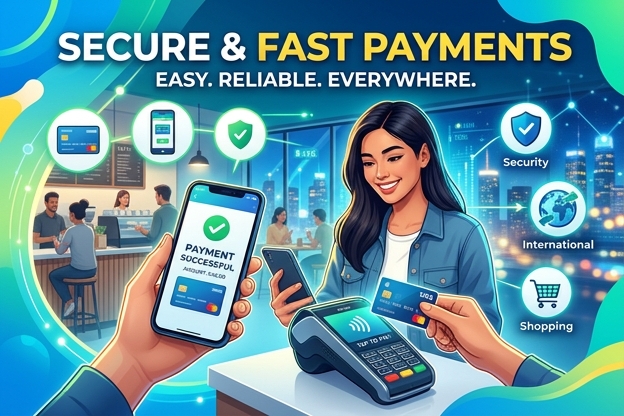
Retail Credit Card Processing is the system that allows a retail business to accept card and digital wallet payments in-store or across connected sales channels. It includes the payment gateway or terminal, the processor, the acquiring bank, security tools, and the rules that govern authorization, settlement, and funding.
For retailers, strong processing is not just about taking cards. It is about getting approved transactions quickly, keeping fees predictable, reducing fraud, and giving customers a fast checkout experience.
Table of Contents
- How Retail Credit Card Processing Works in Real Stores
- What Retailers Actually Pay and Why
- Comparing Processing Setups by Retail Model
- Fraud, Chargebacks, and Compliance Pressure
- What We Saw Firsthand at Gambling Merchant Account
- How to Choose the Right Processing Partner
- Where Retail Payments Are Going Next
- A Practical Setup Plan for Store Owners
- Final Takeaways for Retailers
How Retail Credit Card Processing Works in Real Stores
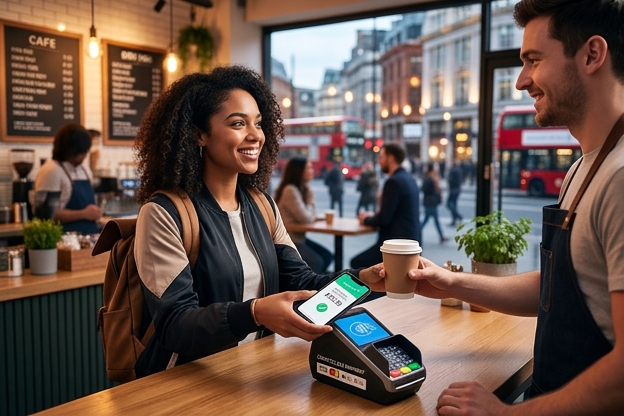
At a basic level, a retail payment looks simple: the customer taps, dips, or swipes a card, the sale is approved, and the receipt prints. Behind that quick interaction is a chain of systems moving data in seconds. The terminal or POS sends payment details to the processor, the card network routes the request, the issuing bank approves or declines, and then the transaction is later settled into the merchant’s account.
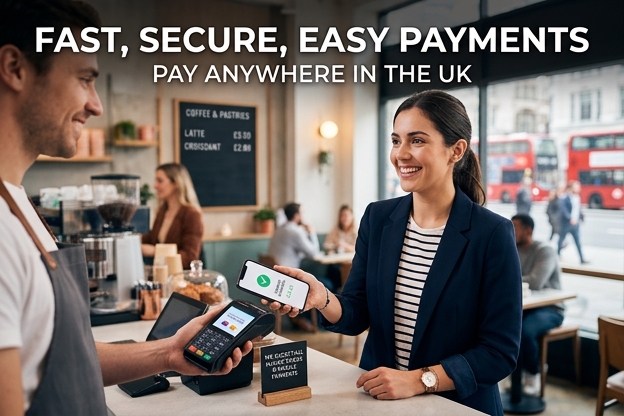
For retailers, the details matter because different payment flows create different costs and risk levels. A card-present EMV tap at a staffed checkout usually carries less fraud risk than a manually keyed transaction. A cloud POS integrated with inventory may reduce reconciliation errors. A terminal that supports contactless wallets can shorten line times during busy periods, which directly affects revenue during peak hours.
According to the National Retail Federation’s 2024 retail trends coverage, customer expectations around speed, convenience, and channel flexibility continue to rise, especially where in-store and online buying habits overlap. That means payment acceptance is now tied to customer experience, not just accounting.
Core parts of a retail processing stack
- POS hardware: countertop terminals, mobile readers, self-checkout kiosks, or full register systems
- Payment processor: routes and manages transaction authorizations and settlement
- Merchant account: holds funds temporarily before deposit to the business bank account
- Payment gateway: often required when in-store systems connect with online or omnichannel sales
- Security tools: encryption, tokenization, EMV support, PCI controls, and fraud screening
What Retailers Actually Pay and Why
The biggest mistake merchants make is comparing only the advertised rate. Retail processing fees often include interchange, card-brand assessments, processor markup, monthly platform fees, PCI fees, equipment charges, chargeback fees, and sometimes early termination terms. A cheap teaser rate can become expensive once non-qualified transactions, gateway fees, or compliance add-ons are included.
Visa’s public interchange framework and Mastercard’s merchant acceptance rules make it clear that transaction type, card category, and acceptance method affect pricing. Rewards cards, commercial cards, and card-not-present extensions tied to retail orders can all increase cost. So can poor batching habits, outdated terminals, or inconsistent AVS and CVV handling for mixed-channel merchants.
According to the Federal Reserve Payments Study updates released in recent years, card usage continues to dominate non-cash consumer payments in the United States, with debit and credit volume both remaining central to retail spending. That matters because as card usage rises, even a small pricing gap compounds quickly over thousands of transactions.
The fee levers that matter most
Retailers should pay close attention to these variables:
- Card-present vs. keyed entry: card-present is usually less expensive and safer
- Average ticket size: per-transaction fees hit low-ticket merchants harder
- Chargeback ratio: high disputes can trigger reserve requirements or account review
- Settlement timing: same-day or next-day funding may carry different terms
- POS integration quality: poor integration can create duplicate charges or reconciliation gaps
Pricing models merchants should question
Flat-rate pricing is simple, but not always cheapest for established retailers. Tiered pricing can be hard to audit. Interchange-plus pricing is often easier to analyze because you can separate pass-through cost from provider markup. For larger stores or chains, custom enterprise pricing can make sense if reporting, omnichannel support, and hardware service are included.
“A payment quote is only useful when a retailer can map every fee to a real transaction type. If you cannot explain why a card cost what it cost, you do not yet have pricing clarity.”
Comparing Processing Setups by Retail Model
Not every store should use the same setup. A boutique apparel shop, a liquor store, a furniture retailer, and a convenience chain all process differently. Ticket size, refund frequency, fraud profile, and customer flow change the best-fit solution.
| Retail Business Type | Common Payment Pattern | Main Processing Risk | Best-Fit Setup |
|---|---|---|---|
| Boutique apparel store | Mid-ticket, frequent returns, high tap usage | Refund handling and inventory sync errors | Integrated cloud POS with interchange-plus pricing |
| Convenience store | Low-ticket, high-volume debit mix | Per-transaction fee pressure | Low auth-cost routing and optimized debit acceptance |
| Furniture showroom | High-ticket, split payments, delivery deposits | Chargebacks tied to fulfillment disputes | Strong documentation tools and staged billing support |
| Pop-up retail brand | Mobile readers, event-based volume spikes | Funding holds after sudden sales surges | Pre-underwritten mobile account with volume forecasting |
The lesson here is simple: processing should be designed around sales behavior, not generic category labels. A provider that asks detailed questions about ticket size, return policy, and monthly volume is usually doing better underwriting than one that rushes straight to rates.
Fraud, Chargebacks, and Compliance Pressure
Retailers often assume fraud is mostly an ecommerce issue. That is no longer safe. Card testing tied to omnichannel systems, refund abuse, employee misuse, counterfeit fallback transactions, and account takeover connected to loyalty programs can all bleed into store operations. The growth of digital wallets and saved credentials has helped convenience, but it has also pushed merchants to think more carefully about tokenization and customer identity.
According to the 2024 Verizon Data Breach Investigations Report, credential misuse, social engineering, and third-party weaknesses continue to play major roles across industries. Retail payment security is not just about the terminal itself. It is about the full environment around staff permissions, network hygiene, remote access, and connected devices.
Where retail merchants get exposed
- Outdated terminals that do not consistently force EMV or contactless acceptance
- Shared staff logins inside POS systems
- Weak refund approval procedures
- Disconnected in-store and online reporting that hides suspicious patterns
- Poor evidence collection when disputing chargebacks
Chargebacks are especially frustrating because the original sale may have been valid while the supporting documentation was weak. For example, a furniture store may lose a dispute because delivery proof, signature records, and installment terms were stored in separate systems. A specialty retailer may see first-party misuse when a customer forgets a family member made the purchase and files a dispute anyway.
“Retail payment risk is operational risk wearing a finance label. The merchants who win are the ones that train cashiers, managers, and accounting teams as one system.”
What We Saw Firsthand at Gambling Merchant Account
I worked with a specialty retail operator that had two physical locations, a seasonal event booth, and a small online ordering channel for in-store pickup. Their biggest complaint was simple: they were selling well, but deposits were hard to reconcile and processing statements kept showing unexpected fee jumps. Their old provider had approved the account quickly, yet almost every month included new line items tied to gateway access, PCI handling, and manually keyed transactions from event sales.
At Gambling Merchant Account, we started by reviewing transaction mix rather than chasing a lower headline rate. We found that the event booth was using mobile devices with inconsistent connectivity, causing staff to retry payments and occasionally key cards. We also found the pickup channel was routed through a separate flow that was priced differently from in-store payments. Once we consolidated reporting, moved the merchant to a better-suited terminal setup, and documented expected monthly volume spikes ahead of time, funding became steadier and statement variance dropped.
In another case, I helped a home goods retailer facing chargebacks tied to custom orders. The owner believed fraud was the issue, but the real problem was documentation. Customers paid deposits in-store, then approved changes later by phone or email. When disputes came in, the merchant had proof of the first payment but not a clean, connected record of change approvals and fulfillment terms. We advised them to use linked invoices, standardized authorization language, and a fulfillment confirmation process tied to the same customer profile. Within a few billing cycles, dispute responses became stronger and the owner had a much clearer view of which transactions truly carried risk.

How to Choose the Right Processing Partner
Retailers should treat processor selection like infrastructure planning, not vendor shopping. A strong provider should ask how your store sells, when volume spikes, how refunds are handled, what hardware you use, whether you have multiple locations, and how your online and in-store channels connect.
Questions worth asking before you sign
- What pricing model am I on, and can you provide a sample statement analysis?
- How will card-present, keyed, and omnichannel transactions be classified?
- What hardware is required, and who supports replacements or outages?
- How fast are deposits funded, and under what conditions can holds occur?
- What chargeback tools and fraud controls are included?
- Will my POS, inventory, and accounting systems integrate cleanly?
- What PCI responsibilities stay with me, and what is managed by the provider?
You should also ask how the provider handles growth. A small merchant may double volume after opening a second location, launching curbside pickup, or adding subscription-based product replenishment. If underwriting was done superficially at the start, those changes can trigger reserves or temporary account stress at exactly the wrong time.
Red flags that deserve caution
- Rates quoted without reviewing your current statements
- No clear answer on early termination or equipment leases
- Little discussion of chargebacks, fraud, or reserves
- Weak support hours for stores that operate evenings or weekends
- No plan for multi-location reporting or mixed sales channels
Where Retail Payments Are Going Next
Retail payments are becoming more connected, more tokenized, and more software-driven. Contactless usage is now normal in many U.S. retail segments, and consumers increasingly expect cards, phones, and wearables to work the same way at every register. That shift puts pressure on merchants using older hardware or isolated POS systems.
According to Deloitte’s 2025 retail industry outlook, retailers continue to invest in operational efficiency, data visibility, and customer experience amid margin pressure. Payments sit at the center of all three. Better processing data helps with staffing, shrink analysis, loyalty performance, and customer retention. Better acceptance tools shorten checkout times and reduce abandoned purchases. Better risk controls lower the revenue drag from avoidable disputes.
Another important trend is the blending of in-store and online identity. Buy online, pick up in store; save card on file; mobile receipts; loyalty-linked offers; and digital returns all rely on secure payment data connections. Retailers that keep these functions fragmented often end up paying more while seeing less clearly.
A Practical Setup Plan for Store Owners
If your current processing setup feels expensive or confusing, start with a structured audit. Most merchants do not need to rip everything out at once. They need visibility first, then targeted fixes.
What to review this month
- Your last three processing statements
- Breakdown of card-present versus keyed volume
- Deposit timing and any recent funding holds
- Chargeback count and dispute win rate
- Terminal age, software version, and contactless capability
- Refund workflow and manager approval process
- POS integration with inventory and accounting
From there, prioritize the changes that affect profit fastest. For some merchants, that means switching from a vague tiered plan to interchange-plus pricing. For others, it means replacing unreliable mobile readers, tightening refund controls, or consolidating in-store and online reporting. The best improvement is usually the one that removes recurring friction from daily operations.
Final Takeaways for Retailers
Retail Credit Card Processing shapes much more than payment acceptance. It affects margin, staff efficiency, customer trust, fraud exposure, and your ability to scale with confidence. The strongest setup is rarely the one with the loudest advertised rate. It is the one aligned with your transaction mix, risk profile, hardware needs, and reporting demands.
Gambling Merchant Account recommends three practical next steps:
- Review your last three merchant statements to identify hidden markups, inconsistent fees, and keyed transaction volume.
- Map your full customer payment journey, including in-store, pickup, returns, and event sales, so your processing setup matches how you really sell.
- Request a risk-and-integration review before changing providers, especially if you run multiple locations or blended retail channels.
References
- National Retail Federation: Retail trend analysis and consumer expectation insights related to checkout experience and omnichannel behavior.
- Federal Reserve Payments Study: Data on U.S. non-cash payment volume and card usage patterns that help frame retail payment dependence.
- Verizon Data Breach Investigations Report 2024: Security findings relevant to credential misuse, third-party exposure, and payment-related operational risk.
- Deloitte 2025 Retail Industry Outlook: Perspective on margin pressure, operational efficiency, and the strategic role of payment systems in retail.
- Visa and Mastercard public merchant resources: Pricing structure and acceptance-rule context that influence retail transaction costs.
FAQ
What is Retail Credit Card Processing?
Retail Credit Card Processing is the system that lets stores accept credit cards, debit cards, and digital wallets at checkout. It includes the terminal or POS, the payment processor, the merchant account, security tools, and the funding process that moves money into the retailer’s bank account.
How much does retail credit card processing usually cost?
Costs vary based on card mix, volume, hardware, and pricing model. Most retailers pay a combination of:
Interchange and card-brand assessments
Processor markup
Monthly platform or PCI-related fees
Chargeback, gateway, or equipment costs
What is the best pricing model for a retail store?
For many established retailers, interchange-plus pricing offers the clearest visibility because you can separate direct card costs from processor markup. Flat-rate plans may be easier for very small merchants, while large or multi-location retailers often benefit from custom pricing tied to actual volume and support needs.
How can retailers reduce chargebacks?
Retailers usually improve dispute outcomes by tightening operations, not just adding software. Good practices include:
Clear refund and return policy display
EMV and contactless acceptance instead of manual key entry
Signed or digital proof for high-ticket orders and deliveries
Centralized records for receipts, invoices, and fulfillment notes
Do I need a separate merchant account for in-store and online sales?
Not always. Many retailers use one merchant account with different transaction channels under the same provider. What matters most is that the account is properly underwritten for your full sales model and that reporting clearly separates card-present and card-not-present activity.
How fast do retail merchants get funded after a card sale?
Many retail businesses receive funding in one to two business days, though some providers offer same-day funding under specific conditions. Deposit timing can change based on risk review, weekends, batch close timing, and unusual volume spikes.
What should I look for in a retail payment processor?
Focus on fit, transparency, and support. A strong retail processor should offer:
Clear pricing and statement visibility
Reliable POS and hardware compatibility
Chargeback and fraud support
Fast funding with realistic underwriting
Good reporting for multi-location or omnichannel retail