Retail Payment Solution: Best Practices for Secure and Seamless Checkout
Retail Payment Solution: Best Practices for Secure and Seamless Checkout is no longer a niche concern for enterprise chains alone. If your checkout is slow, your fraud filters are clumsy, or your declined transactions are creeping up, you are leaking revenue at the exact moment a customer is ready to buy. That is why more retailers are rethinking payment architecture, not just payment acceptance.
At Gambling Merchant Account, we work with merchants that often face elevated risk scrutiny, strict compliance expectations, and demanding customer experience standards. That perspective matters in retail. A payment flow that feels smooth to shoppers but rigid to fraud, chargebacks, and operational blind spots is what separates growing brands from stores that lose sales to friction.
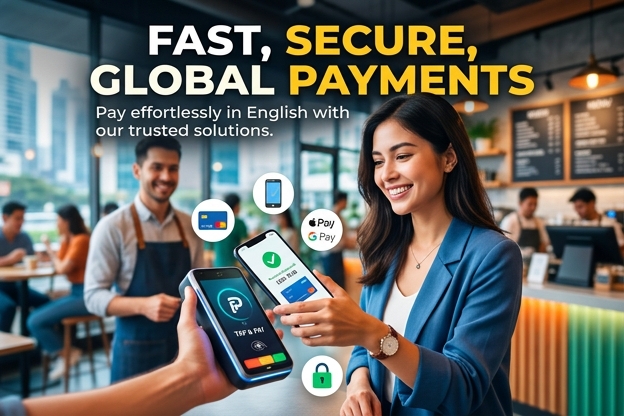
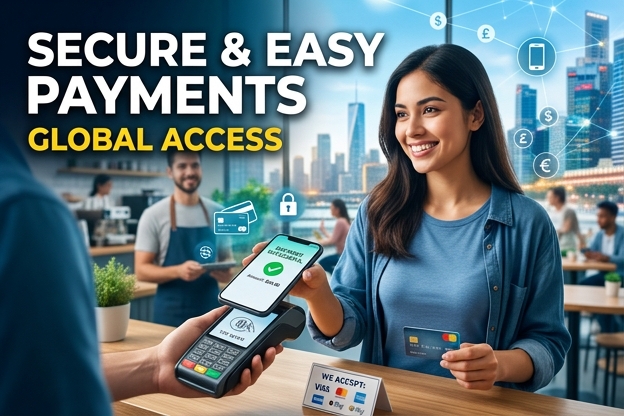
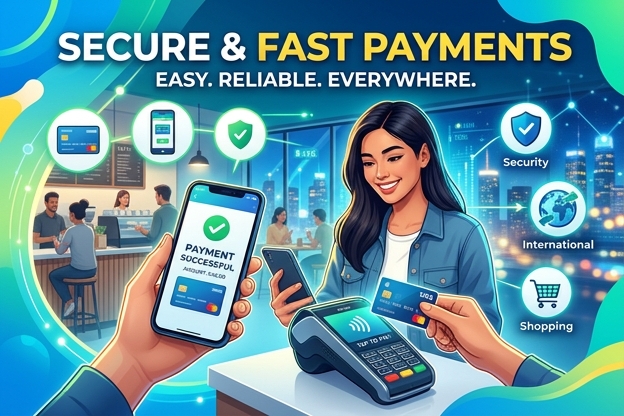
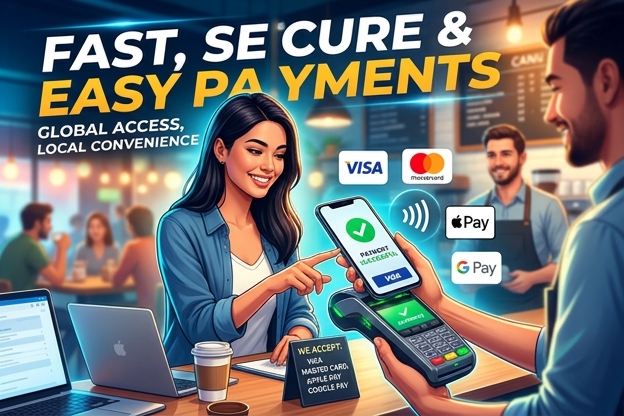
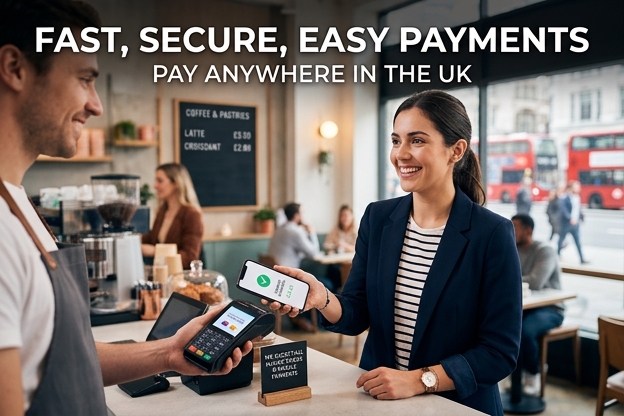
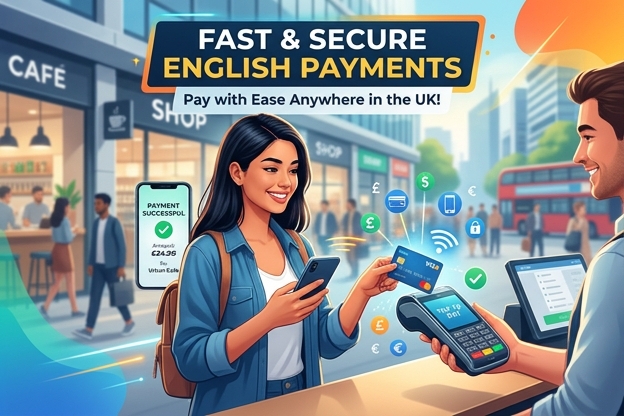
A retail payment solution is the combination of hardware, software, gateways, processors, fraud tools, and checkout workflows that allow a merchant to accept payments securely and quickly across in-store, online, and mobile channels. The best solutions reduce payment failure, protect cardholder data, and make checkout feel almost invisible to the buyer.
Customers rarely complain about payments when everything works. They notice when a card reader stalls, a digital wallet fails, a refund takes too long, or a legitimate order gets flagged. Those moments damage trust fast, and trust is expensive to win back.
Table of Contents
- What a modern retail payment solution should do
- Why secure and seamless checkout drives revenue
- Core components every retail stack needs
- Best practices for fraud prevention without adding friction
- How to optimize omnichannel checkout experiences
- Choosing the right provider for your business model
- Implementation roadmap for merchants and operations teams
- Real-world lessons from Gambling Merchant Account
- Common risks, limits, and mistakes to avoid
- What is changing in retail payments through 2026
What a Modern Retail Payment Solution Should Do
A modern retail payment solution has to do more than accept cards. It should route transactions intelligently, support multiple payment methods, sync customer and order data, protect sensitive information, and provide clear reporting to finance and operations teams. Retailers now operate in blended environments where the same customer may browse on mobile, buy online, pick up in store, and request a refund through a chatbot or support desk.
That means your payment setup should support:
- Card-present and card-not-present transactions
- EMV, contactless cards, and digital wallets
- Tokenization for repeat customers and subscriptions
- Centralized reporting across channels
- Fraud screening based on transaction context
- Fast refunds, voids, and reconciliation workflows
- Reliable uptime during peak demand
According to the National Retail Federation’s 2024 retail security reporting, merchants continue to prioritize payment security and data protection because fraud, operational disruption, and customer trust are tightly connected. A payment solution now sits at the center of that equation, not at the edge of it.
Why Secure and Seamless Checkout Drives Revenue
Checkout performance directly affects conversion rate, average order value, and repeat purchase behavior. A secure experience reassures the customer. A seamless experience keeps momentum intact. You need both. If security is visible only as friction, customers leave. If seamlessness comes at the cost of weak controls, fraud losses and chargebacks rise.
Visa’s payment research published across 2024 has repeatedly reinforced a practical point for merchants: consumers are adopting tap-to-pay, mobile wallets, and low-friction digital payments because speed and convenience shape perceived trust. In other words, fast payments do not just feel modern; they influence whether a shopper sees your business as reliable.
“Retailers that treat checkout as a revenue engine rather than a back-office utility usually see improvements in both authorization rates and customer retention.”
That line is simple, but it is accurate. The businesses that perform best do not bolt on security after launch. They design checkout around customer behavior, device context, and risk signals from the start.
Core Components Every Retail Stack Needs
Payment gateway and processor alignment
The gateway moves payment data securely. The processor communicates with networks and issuing banks. Many merchants still treat these as interchangeable, but misalignment here creates avoidable declines, latency, and reconciliation headaches. Your stack should be configured for your channel mix, average ticket size, regional sales footprint, and risk profile.
POS and ecommerce integration
If your in-store and online systems do not share a clean payment layer, your reporting fragments. Refunds become messy. Customer service loses visibility. Omnichannel retail works best when the payment layer syncs with inventory, CRM, order management, and accounting.
Fraud controls and tokenization
Fraud tooling should evaluate velocity, device behavior, geolocation consistency, AVS, CVV, BIN patterns, and account history. Tokenization is equally important because it reduces exposure of raw card data while supporting saved payments and recurring customer journeys.
Analytics and dispute management
Good analytics show more than sales volume. They reveal decline reasons, payment method preference, soft versus hard decline patterns, fraud review rates, and chargeback causes. This lets retailers fix real issues instead of guessing.
Best Practices for Fraud Prevention Without Adding Friction
The worst fraud strategy is one that blocks good customers as aggressively as bad actors. Retailers need layered controls that adapt to risk rather than treating every transaction the same.
Use risk-based authentication
Low-risk repeat buyers should move through checkout quickly. Higher-risk orders, such as first-time purchases with overnight shipping to a mismatched address, may deserve stronger verification. Adaptive authentication keeps conversion healthier than blanket verification rules.
Optimize 3-D Secure intelligently
3-D Secure can help reduce fraud exposure and shift liability in some cases, but poor implementation can hurt conversion. Use exemptions where appropriate and test flows by issuer, geography, and device to avoid unnecessary abandonment.
Review false declines as seriously as fraud losses
According to LexisNexis Risk Solutions’ 2024 fraud research, false declines continue to impose major hidden costs on merchants, often exceeding visible fraud losses when long-term customer value is considered. Retailers that never audit false declines are usually underestimating lost revenue.
Build a chargeback response playbook
Chargebacks are not only a finance problem. They are a product, support, fulfillment, and payment issue. A good playbook should define who owns evidence collection, how order metadata is stored, and which dispute categories signal deeper process issues.
- Map your highest-risk transaction patterns by channel and basket type.
- Set fraud rules by scenario, not by fear.
- Track manual review rate and false decline rate every month.
- Audit recurring chargeback reasons for operational root causes.
- Retest controls after seasonal spikes, promotions, and platform updates.
“A retailer with low fraud but high false declines may be protecting margins on paper while quietly losing loyal customers.”
How to Optimize Omnichannel Checkout Experiences
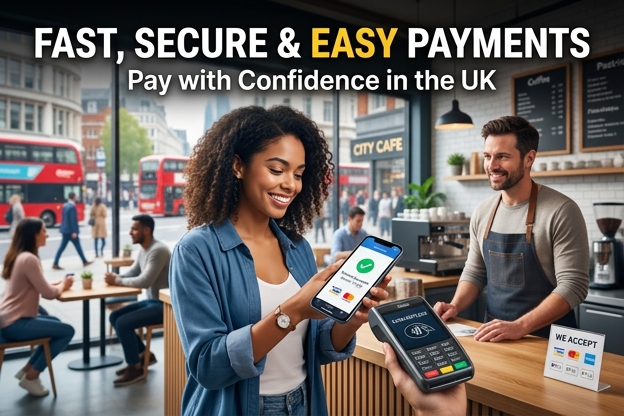
Retail customers do not think in channels. They think in outcomes: pay fast, get the item, fix issues easily. Your payment experience should feel consistent whether the customer taps a card in store or checks out from a phone at midnight.
Support preferred payment methods
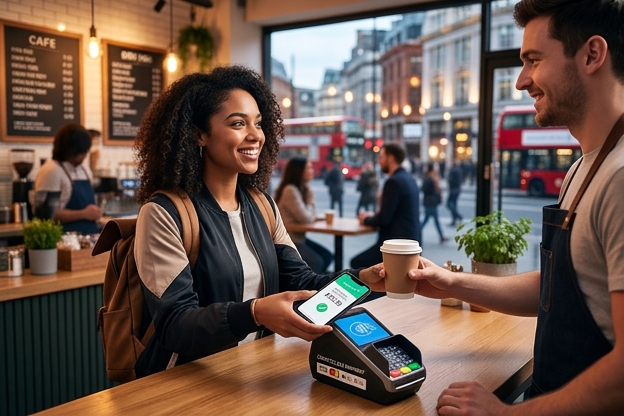
Card payments still dominate many retail categories, but wallets like Apple Pay and Google Pay continue to improve conversion on mobile because they reduce typing, shorten checkout time, and reinforce security. Buy now, pay later may also fit some verticals, but retailers should evaluate margin impact and customer quality carefully.
Reduce checkout steps
Each extra field creates a chance to lose the sale. Keep guest checkout available where it makes sense, autofill billing data, and ask only for information you actually use. Payment form design still matters more than many merchants admit.
Keep receipts, refunds, and support connected
A seamless checkout includes what happens after authorization. If customers cannot find receipts, track refunds, or resolve duplicate charges quickly, the payment experience feels broken even if the original sale succeeded.
| Retail Scenario | Best Payment Method Mix | Primary Security Focus | Operational Priority |
|---|---|---|---|
| Fashion ecommerce brand | Cards, Apple Pay, PayPal | Account takeover and friendly fraud | Mobile conversion and fast returns |
| Grocery chain with in-store pickup | Contactless cards, wallets, debit | POS terminal security and tokenization | Speed at checkout lanes |
| Luxury retailer | Cards, bank transfer, wallet | High-ticket fraud screening | Approval rates on large orders |
| Subscription retail box brand | Tokenized cards, wallets | Card updater and recurring billing security | Reduce involuntary churn |
Choosing the Right Provider for Your Business Model
Not every payment provider is built for every retailer. Some are excellent for low-risk, domestic ecommerce. Others are stronger in omnichannel, high-volume, or high-scrutiny sectors. The right fit depends on your sales channels, expansion plans, fraud exposure, support expectations, and tolerance for customization.
Questions that matter more than headline fees
Low processing rates can look attractive until hidden costs appear in decline rates, reserve structures, poor support, or weak fraud controls. Ask providers about:
- Average authorization optimization capabilities
- Support for network tokenization and account updater services
- Chargeback management workflows
- PCI scope and tokenization model
- Multi-location or multi-entity reporting
- Settlement timing and reserve policies
- Integration support with your current commerce stack
When specialist expertise matters
At Gambling Merchant Account, we often advise merchants who do not fit neat underwriting boxes. That experience is useful for retailers with elevated fraud pressure, cross-border activity, or complex product lines. Providers that understand risk nuance tend to structure better controls and better routing than providers that simply decline anything unusual.
Implementation Roadmap for Merchants and Operations Teams
Retailers often lose momentum by treating payment rollout as a technical switch instead of an operational program. The strongest launches involve payments, ecommerce, store operations, finance, customer support, and fraud teams from the start.
Practical rollout sequence
- Audit your current payment flow, decline patterns, fraud losses, and refund pain points.
- Define your must-have payment methods and channel requirements.
- Map PCI responsibilities and data handling paths.
- Run a pilot on one channel, store group, or region before full migration.
- Test edge cases such as partial refunds, split tenders, offline mode, and duplicate order prevention.
- Train frontline staff and support teams on payment exceptions.
- Review post-launch metrics weekly for the first 60 days.
Metrics to monitor after launch
Do not stop at sales totals. Watch approval rate, payment latency, cart abandonment at payment step, wallet adoption, refund turnaround time, chargeback ratio, manual review rate, and customer support tickets related to billing. These reveal whether the solution is truly working.
Real-World Lessons from Gambling Merchant Account
I worked with a specialty retailer that had a strong product-market fit but a checkout flow that was failing in quiet ways. Their headline conversion looked acceptable, yet repeat customers complained about saved cards not working, support was buried under refund questions, and false declines spiked during promotions. We rebuilt the payment flow around tokenization, cleaner gateway rules, and clearer fallback routing.
Within two billing cycles, authorization rates improved noticeably, manual review volume dropped, and support tickets tied to payment confusion fell because receipts and status messages were finally consistent. What stood out most was not just the fraud reduction. It was how much easier it became for the operations team to trust the numbers coming out of the system.
In another case, I advised a retailer entering a higher-risk product segment while keeping a mainstream storefront. Their previous provider treated the business as one undifferentiated risk bucket, which caused avoidable declines and account friction. At Gambling Merchant Account, we recommended a segmented setup: separate monitoring thresholds, stronger device intelligence for the riskier catalog, and tailored dispute workflows.
The result was a healthier balance. The lower-risk side of the business moved faster at checkout, while the higher-risk side gained tighter scrutiny without poisoning the entire customer experience. That kind of segmentation is often the difference between a payment system that merely functions and one that supports growth.
Common Risks, Limits, and Mistakes to Avoid
Even well-funded retailers make preventable payment mistakes. Some assume adding more payment methods automatically increases conversion. Others overcorrect on fraud after one bad quarter and start blocking legitimate buyers. Many underestimate how often refunds, subscription retries, tax logic, and support scripts shape payment satisfaction.
Frequent problems we see
- Using one rigid fraud rule set for all channels and order types
- Ignoring soft declines and retry logic
- Failing to reconcile in-store and online reporting
- Adding payment methods without measuring operational cost
- Leaving customer service blind to payment status and dispute history
- Assuming PCI compliance alone equals full payment security
Real limitations to plan around
No payment solution eliminates fraud completely. No provider can guarantee perfect authorization rates. Cross-border acceptance still brings issuer variability, regulation differences, and currency complexity. Retailers should expect ongoing tuning, especially when they expand channels, launch new product lines, or move into new markets.
What Is Changing in Retail Payments Through 2026
Retail payments are moving toward more orchestration, more tokenization, and more context-aware risk decisions. Merchants want flexibility to route transactions based on issuer performance, geography, or cost. They also want cleaner customer experiences that hide complexity from the buyer.
According to Gartner’s 2024 guidance on digital commerce and payment modernization, merchants are investing more heavily in composable commerce and flexible payment infrastructure so they can adapt faster without rebuilding the full stack. That is a meaningful shift. Retailers increasingly want payment systems that can evolve with customer behavior, not lock them into a fixed model.
At the same time, PCI Security Standards Council updates continue to push stronger controls around authentication, data minimization, and secure payment environments. Retailers that modernize early usually benefit twice: they lower future compliance strain and gain better customer experiences right away.
Conclusion
A strong retail payment strategy balances speed, security, flexibility, and operational clarity. The right setup improves approval rates, reduces false declines, simplifies refunds, and gives customers fewer reasons to hesitate at the point of purchase. The wrong setup does the opposite, often quietly, until revenue erosion becomes hard to ignore.
Gambling Merchant Account recommends three practical next actions for retailers:
- Audit your payment funnel for hidden losses, especially false declines, payment-step abandonment, and refund friction.
- Segment fraud controls by channel, product risk, and customer history instead of using one blanket rule set.
- Choose a provider that can explain approval optimization, tokenization, dispute handling, and reporting in operational terms, not just pricing terms.
References
- Gartner, 2024 digital commerce and payment modernization research — contributed insight on composable commerce and flexible payment infrastructure.
- LexisNexis Risk Solutions, 2024 fraud and false decline research — contributed data and perspective on the hidden cost of rejecting legitimate transactions.
- National Retail Federation, 2024 retail security reporting — contributed context on merchant priorities around data protection and payment security.
- PCI Security Standards Council, 2023-2025 security standards updates — contributed compliance direction related to payment data handling and secure environments.
- Visa, 2024 consumer and merchant payment trend insights — contributed evidence on contactless and digital wallet adoption shaping checkout expectations.
FAQ
What is a retail payment solution?
-
A retail payment solution is the full system a merchant uses to accept and manage payments across in-store, online, and mobile channels. It typically includes payment gateways, processors, POS tools, fraud controls, tokenization, and reporting features.
Why does checkout speed matter so much in retail?
-
Fast checkout reduces cart abandonment, keeps in-store lines moving, and improves customer trust. When payment is delayed or confusing, customers are more likely to leave, contact support, or avoid buying again.
How can Retail Payment Solution: Best Practices for Secure and Seamless Checkout help reduce fraud?
-
The best approach combines customer-friendly checkout with layered security controls. Effective setups usually include:
Risk-based authentication instead of blanket friction
Tokenization to reduce exposure of card data
Device, velocity, AVS, and CVV checks for suspicious behavior
Chargeback monitoring and evidence workflows
Which payment methods should most retailers support?
-
Most retailers should start with the payment methods customers expect most often:
Major credit and debit cards
Contactless card payments in store
Apple Pay and Google Pay for mobile and web checkout
PayPal or similar digital wallets if they fit the audience
What is the biggest mistake retailers make with payment security?
-
A common mistake is treating every order as equally risky. Overly aggressive fraud rules create false declines, block loyal customers, and lower revenue. Strong payment security should adapt to transaction context instead of adding the same friction to every shopper.
How do I choose the right payment provider for a retail business?
-
Look beyond headline processing fees. Focus on:
Approval rate optimization
Fraud and chargeback tools
Omnichannel reporting
Tokenization and PCI support
Reliable support during disputes and peak sales periods
Can a retail payment solution improve customer retention?
-
Yes. A smoother payment experience leads to fewer failed transactions, faster refunds, and better trust. Customers are far more likely to return when checkout feels easy and post-purchase payment support is clear and responsive.