Getting Valorant Points Without Regret Starts With the Right Buying Strategy
If you are searching for Valorant Points for Sale: Best Deals, Safe Buying Tips & Instant Delivery, you are probably trying to solve three problems at once: price, trust, and speed. Nobody wants to overpay for VP, wait hours for fulfillment, or risk an account issue because the seller used shady sourcing. That is exactly where smart buying habits matter more than hype.
Gambling Merchant Account has built a reputation around payment risk, fraud screening, and transaction safety in high-risk digital commerce. That perspective matters here because buying game currency is not just about finding the lowest sticker price. It is about knowing which offers are legitimate, which checkout flows are secure, and which delivery promises actually hold up when demand spikes.
Valorant Points for Sale refers to offers from online sellers or digital marketplaces where players can buy VP, the premium currency used in Valorant for skins, bundles, and Battle Pass content. The best offers combine fair pricing, secure payment handling, verified delivery methods, and clear refund or support policies. Instant delivery usually means the code or account credit arrives within minutes, but speed should never come at the expense of account safety.
Too many buyers focus only on the discount. The better approach is to evaluate the entire purchase path: seller reputation, regional restrictions, payment protection, delivery transparency, and after-sales support. That is how you save money without creating a bigger problem later.
Table of Contents
- How the Valorant Points market works
- Where the best deals usually come from
- Safe buying checklist before you pay
- What instant delivery really means
- Comparing seller types and buying scenarios
- Red flags that should stop you immediately
- What I have seen work in real transactions
- Payment security, refunds, and chargeback protection
- A practical buying plan for better VP purchases
How the Valorant Points Market Works
Valorant Points are the in-game currency tied to Riot’s ecosystem, and buyers typically get them through official channels or third-party digital sellers offering gift cards, codes, prepaid balances, or region-specific purchase methods. The spread in pricing happens because sellers source inventory differently. Some buy in bulk, some exploit regional pricing gaps, and some act as pure resellers adding a margin for convenience and payment flexibility.
That sounds simple, but the market gets messy fast. A low price can come from efficiency, or it can come from risky sourcing. Those are not the same thing. A seller with thin margins and strong checkout security is very different from one moving compromised codes or gray-market inventory.
According to the Federal Trade Commission, online shopping scams remain one of the most frequently reported fraud categories in the United States, with losses continuing to rise across digital transactions in recent reporting periods. That trend matters because digital goods are especially attractive to fraudsters: delivery is fast, chargebacks are common, and buyers are often shopping under time pressure.
According to Juniper Research’s 2024 work on online payment fraud, global e-commerce merchants continue to absorb major fraud losses as cybercriminal tactics become more automated and convincing. For game currency buyers, that translates into a simple reality: if a checkout page feels rushed, vague, or poorly secured, you should treat the risk as real, not theoretical.
Why buyers get trapped by “cheap” offers
Most bad purchases start with urgency. A new skin bundle drops, a limited event lands, or a Battle Pass deadline gets close. The buyer sees a discount and clicks before checking the basics. Fraudulent or poor-quality sellers know this. They lean on countdown timers, stock warnings, and vague “instant” promises without proving how delivery works.
- Prices far below market average can signal compromised inventory
- Region-locked codes may not redeem on your account
- Manual fulfillment is often mislabeled as instant delivery
- Weak support channels make refunds difficult
- Poor payment processing can expose card data or trigger disputes
Where the Best Deals Usually Come From
The best VP deals usually come from one of four places: official promotions, authorized retail partners, reputable digital marketplaces with buyer protection, or established regional sellers with transparent redemption rules. The right source depends on what you value most. If your top priority is absolute safety, official channels usually win. If you need a better price and can verify the seller carefully, third-party channels may be competitive.
Do not confuse “lowest listed price” with “best deal.” A real deal includes the total outcome: successful redemption, no hidden fees, fast delivery, valid code region, and support if something goes wrong. A seller that is 4% cheaper but takes six hours to deliver and ignores support tickets is rarely the better buy.
Common deal sources worth evaluating
Official Riot purchasing routes: safest for account integrity, usually limited discounting, strongest policy clarity.
Major gift card retailers: reliable, especially when they run seasonal discounts or cashback partnerships.
Digital code marketplaces: potentially better pricing, but quality depends heavily on verification and dispute handling.
Regional sellers: sometimes attractive due to currency differences, but redemption compatibility becomes critical.
Safe Buying Checklist Before You Pay
Safe buying is not complicated, but it does require discipline. If you skip the checks below, you are relying on luck. And luck is not a strategy when your payment card and game account are involved.
The pre-purchase steps that matter most
- Verify the seller’s identity. Look for a real company name, support channel, refund terms, and transaction history.
- Confirm region compatibility. Ask whether the VP code or gift card works in your Riot account region.
- Check delivery method. Is it automated code delivery, manual message fulfillment, or account-based loading?
- Review payment security. Use secure checkout pages, reputable processors, and methods that offer buyer protection.
- Read recent reviews. Focus on comments from the last 30 to 90 days, not old testimonials.
- Inspect refund and dispute terms. If a code fails, what happens next, and how quickly?
- Test with a smaller order first. If the seller is new to you, do not begin with the highest denomination.
According to Verizon’s 2024 Data Breach Investigations Report, credential abuse, phishing, and social engineering remain central attack methods in online fraud. Buyers often think only the seller is risky. In reality, fake support chats, copycat domains, and spoofed checkout pages are just as dangerous. If the site URL looks odd, the SSL certificate is missing, or the page redirects multiple times before payment, stop.
Questions worth asking before checkout
A trustworthy seller should be able to answer basic operational questions clearly. If support avoids specifics, that alone tells you plenty.
“A secure transaction is not defined by a discount. It is defined by transparency before the payment and accountability after the payment.”
Ask these:
- How long does delivery usually take during peak demand?
- Is the code region locked?
- What proof do I need if redemption fails?
- Are there any extra fees at checkout?
- What payment methods qualify for buyer protection?
What Instant Delivery Really Means
“Instant delivery” is one of the most abused phrases in digital commerce. In the best case, it means the code is delivered automatically in seconds after payment approval. In weaker setups, it means your order is placed in a queue for a human agent to review. Those are completely different experiences.
Real instant delivery depends on automated inventory, payment authorization, and fraud screening that can approve legitimate buyers quickly without opening the door to abuse. If a seller promises instant delivery but also warns that all orders are manually reviewed, the promise is conditional, not instant.
Why your order may still be delayed
Even good sellers sometimes delay orders for valid reasons. High-value purchases, mismatched billing details, risky IP signals, and unusual purchase velocity can trigger security checks. From a fraud perspective, that is often a good sign. It means the seller is not blindly pushing codes out the door.
At Gambling Merchant Account, I have seen the payment side determine whether “instant” is sustainable. When merchants use weak fraud tools, either good buyers get blocked or fraudulent orders slip through. Neither outcome is healthy. The strongest sellers balance speed with verification so most legitimate orders complete fast while risky ones get reviewed.
Comparing Seller Types and Buying Scenarios
Here is a practical comparison of common buying routes. These are business-style scenarios buyers actually face, not generic placeholders.
| Seller Type | Typical Price Position | Delivery Experience | Risk Level |
|---|---|---|---|
| Official Riot checkout | Full retail pricing | Immediate account credit | Very low |
| Large gift card retailer | Retail or light discount | Fast code email delivery | Low |
| Verified digital marketplace seller | Moderate discount potential | Automated or semi-automated | Medium |
| Regional code reseller | Often lower due to FX and pricing gaps | Fast if region matches | Medium to high |
| Anonymous social media seller | Extremely low headline price | Unpredictable, often manual | Very high |
The pattern is clear. The further you move away from established commerce systems, the more your risk rises. That does not mean every third-party seller is unsafe. It means your vetting standards must rise as the discount grows.
Red Flags That Should Stop You Immediately
Some warning signs are subtle. Others should end the transaction on the spot.
High-risk signals buyers should not rationalize away
- No clear company information, terms, or refund policy
- Pressure to pay with irreversible methods only
- Seller asks for your Riot login credentials
- Reviews look duplicated, generic, or all posted in a short burst
- Huge discounts with no explanation of sourcing
- Support replies with copy-paste answers and avoids region questions
- Checkout page lacks normal trust signals or redirects strangely
The credential point is especially important. You should never need to hand over your Riot password to buy VP. If a seller requests direct account access, you are no longer buying currency safely. You are exposing your account.
“The strongest fraud filter is still buyer judgment. If the transaction requires you to ignore common sense, the price is not worth it.”
What I Have Seen Work in Real Transactions
I have worked closely with payment-risk workflows through Gambling Merchant Account, and one lesson comes up again and again: buyers trust speed, but merchants survive on process. The sellers who last are the ones that verify inventory, maintain clear delivery logs, and communicate quickly when a payment gets flagged.
In one case, I reviewed a digital merchant handling game-related codes during a high-demand weekend launch. Their orders surged, and customer complaints started appearing around “instant delivery” delays. The issue was not inventory. It was payment screening. Too many legitimate transactions were being routed into manual review because the fraud settings were too aggressive. Once the merchant refined risk thresholds, added clearer checkout messaging, and displayed expected review times before payment, approval speed improved and support tickets dropped sharply. Buyers were not angry about a short delay; they were angry about uncertainty.
In another case, I saw a merchant offering deep discounts on game-related digital goods without proper region labeling. The result was predictable: customers received codes they could not redeem, initiated disputes, and posted negative reviews. The merchant blamed customers for “not reading carefully,” but the product page was vague. After the listing added prominent region labels, a redemption FAQ, and a one-click support path, the dispute rate improved. Clear information beats cheap traffic every time.
Those experiences shape my advice here. The best deal is not the one that looks best in search results. It is the one that creates the fewest surprises after you click pay.
Payment Security, Refunds, and Chargeback Protection
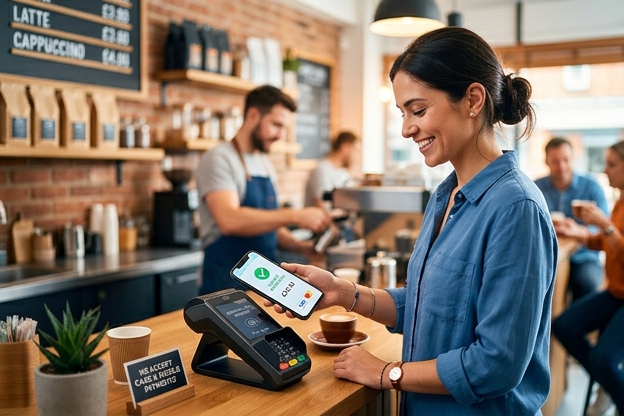
Payment security is the layer most buyers overlook until something breaks. A seller can have good prices and fast delivery, but if its payment stack is weak, your experience can still go sideways. Fraud screening, card tokenization, processor quality, dispute handling, and confirmation records all affect the outcome.
According to the Merchant Risk Council’s recent global payments and fraud trends reporting, merchants continue to face strong pressure from first-party misuse, chargebacks, and fraud complexity across e-commerce. For buyers, that means good merchants may sometimes ask for extra verification. That can be inconvenient, but it is often safer than the alternative.
What good payment handling looks like
A solid seller should offer:
- Encrypted checkout and standard card security protections
- Clear order confirmation and delivery records
- Accessible support if a code fails
- Reasonable refund or replacement procedures
- Multiple payment options, ideally including methods with buyer protection
Refund reality for digital goods
Digital goods are harder to refund than physical products because once a code is delivered or redeemed, the inventory cannot simply be returned. That is why you should read the seller’s terms before buying, not after. The fairest sellers separate three situations: undelivered order, delivered but invalid code, and successfully redeemed code. Those are not the same and should not be treated the same.
If you are buying from a marketplace, check whether the platform itself offers mediation. Platform-level dispute support can be the difference between a quick resolution and a dead-end email chain.
A Practical Buying Plan for Better VP Purchases
If your goal is to buy smarter, keep the process simple. Start by deciding what matters most: lowest risk, lowest price, or fastest delivery. You usually get to optimize for two, not all three at once.
A balanced plan most buyers can follow
For everyday purchases, start with official channels or well-known retailers. If you want a discount, move to a verified marketplace seller only after checking region rules, recent reviews, and support quality. If a deal looks dramatically better than everything else on the page, slow down and verify twice.
When evaluating sellers, I recommend treating trust as a layered system:
- First layer: transparent seller identity and clear policies
- Second layer: secure payment handling and proof of delivery
- Third layer: realistic pricing and region compatibility
- Fourth layer: responsive support and dispute resolution
That framework is more useful than chasing a single “best” store because the market changes constantly. Promotions end, inventory shifts, and even strong sellers can struggle during traffic spikes.
Conclusion
Buying VP safely is less about chasing the absolute lowest price and more about making sure the whole transaction holds together from checkout to redemption. The strongest offers combine fair value, verified delivery, secure payment processing, and clear support. Cheap listings without those foundations usually cost more in time, stress, or disputes.
Gambling Merchant Account recommends three next actions if you are ready to buy:
- Compare total value, not just list price, including fees, delivery speed, and support quality
- Use a seller with transparent region information and a payment method that offers buyer protection
- Test unfamiliar sellers with a smaller purchase before committing to a larger VP order
That approach keeps your account safer, your purchase smoother, and your money better spent.
References
- Federal Trade Commission — Provided current context on online shopping scam trends and digital commerce fraud exposure.
- Juniper Research — Offered 2024 insights into global online payment fraud and merchant risk pressure.
- Verizon Data Breach Investigations Report 2024 — Supplied relevant data on credential abuse, phishing, and social engineering threats.
- Merchant Risk Council — Contributed recent industry perspective on payments, fraud, disputes, and chargeback trends.
FAQ
Is it safe to buy Valorant Points from third-party sellers?
It can be, but only if the seller is reputable, transparent about region compatibility, and uses secure payment processing. Avoid any seller asking for your Riot login or pushing irreversible payment methods only.
What does instant delivery mean for VP purchases?
In the best case, it means automated delivery within seconds or minutes after payment approval. Some sellers use the term loosely, so always check whether orders are actually automated or sent manually after review.
How can I spot a fake VP seller quickly?
Watch for missing company details, suspiciously deep discounts, weak support, region vagueness, and requests for account credentials. Those are the biggest warning signs.
Are cheaper regional VP codes worth the risk?
They can be worth considering only if the seller clearly states redemption compatibility for your Riot account region. If that information is vague, the discount is not worth the trouble.
What should I check before buying Valorant Points for Sale: Best Deals, Safe Buying Tips & Instant Delivery?
Check seller reputation, payment security, region rules, delivery timing, refund terms, and recent customer feedback. A good VP offer should be affordable, redeemable, and supported if something goes wrong.
Can I get a refund if a VP code does not work?
That depends on the seller’s digital goods policy. Reputable sellers typically offer a replacement or refund for undelivered or provably invalid codes, but not for codes that were successfully redeemed.