What Is Card Issuing? A Complete Guide to How Card Issuing Works
If you are evaluating embedded finance, launching a branded payment product, or trying to lower payment friction, the first question usually comes fast: What Is Card Issuing? A Complete Guide to How Card Issuing Works is not just a search query. It is a business-critical topic that affects revenue, compliance, customer retention, and risk exposure. Many operators understand payment acceptance, but far fewer understand what happens on the other side of the transaction when a card is created, funded, authorized, controlled, and monitored.
That gap matters. Whether you run a fintech platform, subscription business, marketplace, or high-risk operation, the difference between a smooth issuing program and a weak one can show up in approval rates, customer trust, fraud losses, and product speed. At Gambling Merchant Account, we have seen companies focus heavily on acquiring while overlooking how strategic card issuing can improve payouts, spend control, loyalty, and customer lifetime value.
Card issuing is the process of creating and managing payment cards for consumers or businesses, usually through a licensed bank and a card network such as Visa or Mastercard. It covers the full lifecycle of a card, including account setup, card creation, transaction authorization, controls, fraud monitoring, settlement, and ongoing compliance.
In simple terms, card issuing lets a company provide cards that customers or employees can use to spend money. Those cards can be physical or virtual, debit, prepaid, or credit, and they operate through a tightly regulated chain of banks, processors, networks, and program managers.
The reason this topic keeps rising in search demand is simple: more brands want to own more of the payment experience. According to a 2024 report by Deloitte on digital payments and embedded finance, companies are increasingly moving beyond basic payment acceptance and into financial-product distribution because it creates stickier user relationships and additional revenue streams. That trend is especially relevant for specialized merchants that need tighter control over how funds move.
Table of Contents
- What card issuing really means
- The main players behind every issued card
- How card issuing works from setup to swipe
- Types of cards businesses can issue
- Why companies launch issuing programs
- The risks, compliance burden, and limitations
- How to choose the right issuing model
- A real-world perspective from Gambling Merchant Account
- What is changing in card issuing through 2026
What Card Issuing Really Means
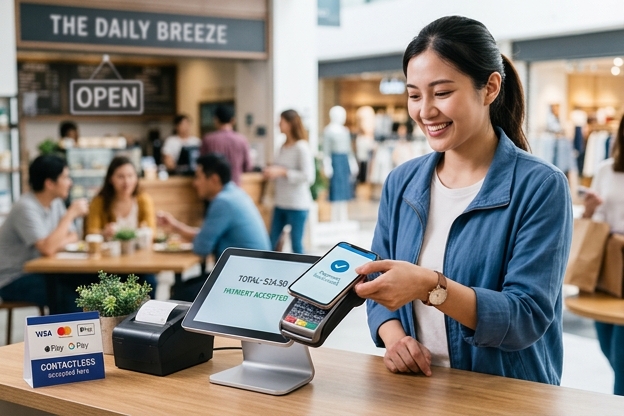
Card issuing is often confused with payment processing, but they are not the same thing. Payment processing, or acquiring, helps merchants accept card payments. Card issuing enables a bank or sponsored program to provide cards to users so those users can make purchases, receive payouts, or control spending.
At the operational level, issuing involves a series of connected functions:
- Creating a card account tied to a user or business entity
- Provisioning a physical or virtual card
- Defining funding logic, balances, and spending controls
- Authorizing or declining transactions in real time
- Monitoring fraud, chargeback behavior, and account misuse
- Handling settlement and reconciliation
- Meeting KYC, AML, sanctions, privacy, and network rules
That is why card issuing should be viewed as infrastructure, not just plastic. A modern issuing program is part payments engine, part risk engine, part compliance framework, and part product strategy.
The Main Players Behind Every Issued Card
No issuing program works in isolation. Even if a brand appears to “issue its own cards,” there is usually a layered ecosystem behind it.
Issuing bank
The issuing bank is the regulated financial institution that sponsors the card program and ultimately sits within the network framework. It is responsible for major compliance obligations and for holding the legal authority to issue cards.
Card network
Networks such as Visa and Mastercard provide the rails that let a card be accepted at millions of merchants. They also establish technical, operational, and dispute-management rules.
Issuer processor
The processor powers the real-time mechanics of the card program. That includes transaction authorization, tokenization, ledger support, card controls, and API connectivity.
Program manager or fintech platform
This layer often owns the customer experience. It may handle onboarding, app features, user support, spend rules, card design, and business logic.
Merchant
The merchant accepts the card payment. When a customer uses an issued card, the merchant routes the transaction through its acquirer, and the authorization request reaches the issuer side for approval or decline.
“The strongest issuing programs are not built around card production alone. They are built around control, visibility, and a clear user use case,” says a payments strategist who advises regulated fintech and high-risk commerce brands.
How Card Issuing Works From Setup to Swipe
Once you understand the participants, the workflow becomes easier to follow. Below is the core lifecycle of an issued card program.
- Program design: The business defines its use case, such as employee expense cards, customer payout cards, prepaid gaming wallets, or VIP loyalty cards.
- Bank sponsorship and compliance setup: The brand works with a sponsor bank and technology partners to establish legal, operational, and compliance structure.
- User onboarding: End users go through identity checks, eligibility screening, and account creation where required.
- Card creation: The system generates a virtual card instantly or orders a physical card for production and shipping.
- Funding and controls: The program determines where the spending power comes from, such as prefunded balances, linked accounts, credit lines, or just-in-time funding.
- Authorization: When the user makes a purchase, the authorization request travels through the network to the issuer processor, which checks balance, rules, and fraud signals.
- Approval or decline: The transaction is approved if it fits program rules and available funds, or declined if it fails risk or balance checks.
- Clearing and settlement: Final transaction details are posted, funds move through the payment system, and records are reconciled.
- Monitoring and servicing: The issuer manages disputes, replaces cards, updates controls, reviews suspicious behavior, and reports required data.
This sequence sounds straightforward until edge cases start appearing. Cross-border merchant categories, recurring billing, partial reversals, friendly fraud, wallet tokenization, and instant issuance can all add complexity.
Types of Cards Businesses Can Issue
Not every issuing program is trying to do the same job. The best structure depends on your customers, risk appetite, licensing model, and product economics.
Prepaid cards
These are loaded with a set amount of money before spending occurs. They are popular for controlled disbursements, incentive programs, and segmented wallets where spending limits matter.
Debit cards
Debit cards pull from a linked account balance. They are useful for neobanks, wallet products, and customer accounts that need immediate access to stored funds.
Credit cards
Credit issuing introduces underwriting, lending, repayment cycles, and more regulatory obligations. It can be powerful, but it is operationally heavier than prepaid or debit.
Virtual cards
Virtual cards are created digitally and often used for online purchases, supplier payments, subscription controls, and fast user onboarding. They are flexible and easier to issue at scale.
Single-use or controlled-spend cards
These are designed for very specific payment events. They can be set for one transaction, one vendor, one amount, or one time window. They are increasingly used in travel, ad spend, contractor payouts, and risk-managed purchasing.
| Card Type | Typical Business Use | Main Advantage | Key Watchout |
|---|---|---|---|
| Prepaid | Player payouts, employee stipends, rewards | Strong spend control and low credit risk | Requires clear funding and escheatment handling |
| Debit | Digital wallets, consumer finance apps | Real-time access to held funds | Needs robust ledger and account management |
| Credit | Loyalty ecosystems, consumer financing | Potentially higher revenue per user | Underwriting, collections, and regulation are heavier |
| Virtual controlled-spend | Affiliate spend, vendor payments, secure online use | Fast issuance and lower misuse risk | Can create support friction if rules are too restrictive |
Why Companies Launch Issuing Programs
The strongest reason to issue cards is not novelty. It is control. Businesses want more influence over how money enters, moves through, and exits their ecosystem.
Better customer retention
A branded card can keep users engaged between transactions. If a user stores value, receives payouts, or earns benefits through the card, your product becomes harder to replace.
New revenue opportunities
Depending on the model, businesses may earn from interchange sharing, program fees, premium tiers, or adjacent financial services. According to the Nilson Report’s 2024 payment card market analysis, card usage volume and non-cash transaction reliance continue to expand across consumer and commercial segments, which supports the economics of well-designed card programs.
Faster payouts and improved user experience
For platforms that owe funds to users, issuing can be a major upgrade. Instead of forcing customers to wait for a bank transfer, a platform can provide near-instant access through a card balance or digital wallet-linked card.
Tighter spend control
Companies can restrict where, when, and how money is used. That is useful in gaming, gig work, workforce spending, affiliate programs, and travel.
Richer data
Issuing creates transaction-level visibility. That data helps businesses improve fraud decisions, understand user behavior, and refine product offers.
“When companies issue cards with clear rules and strong reporting, they gain operational data they could never get from basic payouts alone,” notes a compliance leader focused on network-regulated products.
The Risks, Compliance Burden, and Limitations
Card issuing can be powerful, but it is not frictionless. Many failed programs were good product ideas wrapped in weak compliance design.
Regulatory oversight
Issuing touches KYC, AML, sanctions screening, data privacy, consumer disclosures, and card-network rules. If your business serves regulated or high-risk segments, scrutiny becomes more intense. According to the Financial Action Task Force updates issued through 2024, institutions and financial intermediaries are expected to apply increasingly risk-based controls, especially where digital payments and cross-border activity intersect.
Fraud and abuse
Fraud does not disappear because you control the card. It changes shape. Expect account takeover attempts, synthetic identities, mule activity, abuse of virtual cards, merchant-category manipulation, and friendly fraud linked to card-funded services.
Program economics
Small-scale programs sometimes overestimate interchange upside and underestimate servicing costs. Card manufacturing, shipping, processor fees, compliance staffing, support tickets, dispute operations, and reserve requirements can narrow margins.
Dependency on partners
Your brand may own the user experience, but your bank sponsor and processor shape much of the operational reality. If a partner changes its risk posture, pricing, or geographic coverage, your program can feel it fast.
How to Choose the Right Issuing Model
There is no universal best setup. The right model depends on how much control you need and how much complexity you can absorb.
Bank-led white-label programs
This approach is usually the fastest way to market. The bank and technology provider handle much of the infrastructure while your brand focuses on distribution and user experience. It is ideal for companies that need speed and lower regulatory lift.
Embedded issuing through APIs
This model gives product teams more flexibility. You can issue cards dynamically, create virtual credentials, manage controls through software, and connect issuing tightly to your app or platform logic.
Hybrid models for specialized merchants
Some businesses, especially those with elevated risk profiles, need custom risk controls and payout design rather than a generic issuing stack. That is where specialized guidance matters.
When we work with businesses through Gambling Merchant Account, we usually start with five practical screening questions:
- Who is the end user, and what compliance checks are required?
- Is the card for spending, payouts, incentives, or ecosystem retention?
- Will the program be domestic, cross-border, or both?
- What transaction patterns may trigger fraud or network scrutiny?
- Which partners will own user support, disputes, and compliance escalation?
A Real-World Perspective From Gambling Merchant Account
I have worked with operators that initially thought issuing was just a branding exercise. One client in a high-risk entertainment segment wanted a prepaid payout card to reduce dependence on delayed bank withdrawals. On paper, the idea looked simple. In practice, the real challenge was not the card itself. It was building spending rules, user verification, and regional compliance logic that could survive scale.
We helped that client restructure the program around tighter onboarding thresholds, more selective funding triggers, and a clearer split between approved payout activity and general stored-value behavior. The result was a faster user payout experience and a cleaner operational flow for the merchant’s finance team. What changed the outcome was not flashy front-end design. It was disciplined issuing architecture.
In another case, I saw a business attempt to roll out virtual cards for promotional credits without clearly defining merchant-category restrictions. Abuse appeared almost immediately. Users tested edge-case merchants, balances were drained in unintended channels, and support volumes spiked. After reviewing the failures, we rebuilt the rule set with transaction-level controls and better exception monitoring. That experience reinforced a lesson we repeat often at Gambling Merchant Account: issuing works best when product teams and risk teams design the system together, not in separate rooms.
What Is Changing in Card Issuing Through 2026
Card issuing is moving away from static card programs and toward programmable financial experiences. The winners will be the brands that treat cards as software-defined tools rather than fixed payment objects.
More instant and virtual issuance
Users increasingly expect immediate access. Virtual cards, mobile wallet provisioning, and instant replacement credentials are quickly becoming baseline features.
Smarter controls at the transaction layer
Businesses want policy-based spending, dynamic approval logic, and real-time decisioning tied to risk, geography, and customer behavior. This is where issuer processors and modern API infrastructure are raising the standard.
Embedded finance maturity
According to a 2025 market outlook from McKinsey on payments modernization, financial services embedded inside nonbank platforms are becoming more targeted and economics-driven. That means fewer “card for the sake of a card” products and more programs with specific, measurable business outcomes.
Higher expectations from regulators and networks
As issuing expands, oversight is becoming stricter. That is especially true for marketing claims, cross-border servicing, consumer transparency, and high-risk merchant exposure. If your growth plan relies on weak controls, the market is becoming less forgiving.
Conclusion
Card issuing is the business of creating and managing payment cards through a regulated framework of banks, networks, processors, and compliance controls. When done well, it can improve retention, speed up payouts, create new revenue, and give businesses better control over how funds move. When done poorly, it creates fraud exposure, compliance pressure, and operational drag.
For brands evaluating next steps, Gambling Merchant Account recommends three practical actions:
- Map your exact issuing use case before choosing a provider, including who the users are and how funds will be loaded and spent.
- Stress-test compliance and fraud controls before launch, especially if your vertical has elevated risk or cross-border exposure.
- Choose partners that can explain not only how the card works, but also how disputes, reserves, rule changes, and program interruptions will be handled.
References
- Deloitte, 2024 digital payments and embedded finance reporting: Provided market context on why nonbank brands are expanding into financial product distribution.
- Nilson Report, 2024 payment card market analysis: Supported the broader growth trend in card usage volume and transaction reliance.
- Financial Action Task Force updates through 2024: Informed the discussion around risk-based controls, AML expectations, and digital payment oversight.
- McKinsey, 2025 payments modernization outlook: Highlighted the shift toward more targeted, economics-driven embedded finance and issuing models.
FAQ
What Is Card Issuing? A Complete Guide to How Card Issuing Works
Card issuing is the process of creating and managing payment cards for consumers or businesses through a licensed banking and network framework. It includes onboarding, card creation, funding, authorization, fraud controls, settlement, and compliance oversight.
What is the difference between card issuing and payment processing?
Payment processing helps merchants accept card payments, while card issuing provides the cards that consumers or businesses use to make those payments. One serves the merchant acceptance side; the other serves the cardholder side.
Can a nonbank business launch its own card program?
Yes. Most nonbank businesses do this through a sponsor bank and an issuer-processing platform. The brand typically controls the user experience and product design, while licensed partners handle regulated infrastructure and network access.
Are virtual cards easier to launch than physical cards?
Usually, yes. Virtual cards avoid manufacturing and shipping, can often be provisioned instantly, and fit well with online-only or controlled-spend use cases. They still require strong fraud, compliance, and authorization logic.
What are the biggest risks in card issuing?
The biggest risks are compliance failures, fraud, weak partner selection, poor program economics, and unclear spend controls. These issues can lead to losses, user complaints, network pressure, or even program shutdowns.
How long does it take to launch an issuing program?
It depends on the model. A simple white-label virtual card program may move relatively quickly, while a custom multi-region physical card launch with advanced compliance requirements can take much longer. Partner readiness and regulatory scope are usually the biggest timing factors.