
Introduction
If cross-border sales are growing faster than your payments stack can handle, an International Payment Gateway: The Ultimate Guide for Global Businesses is not a nice-to-have. It is a revenue protection tool. Failed transactions, currency friction, weak fraud controls, and poor local payment support can quietly erode conversion rates in every new market you enter.
That is why many merchants turn to specialists such as Gambling Merchant Account when global expansion starts creating payment complexity. Whether you operate in ecommerce, digital services, travel, SaaS, or another high-risk vertical, the right gateway can improve authorization rates, reduce compliance headaches, and make local buyers feel like they are buying from a domestic brand.
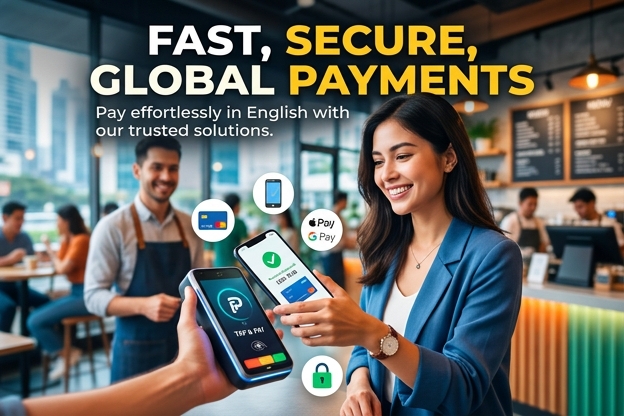
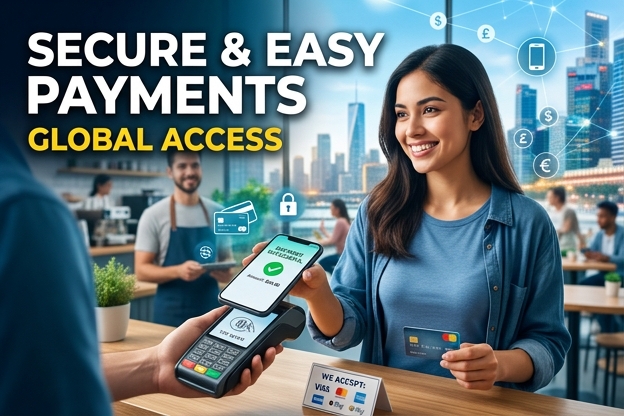
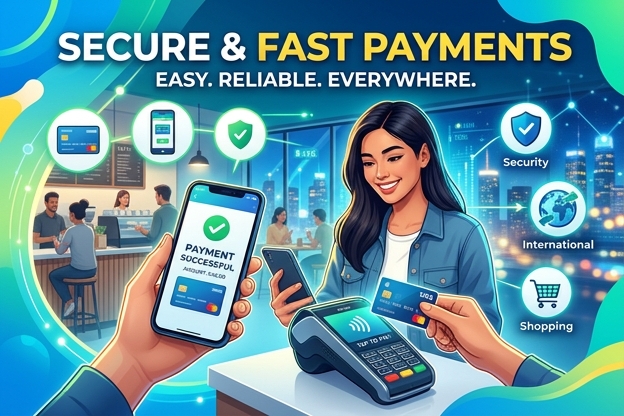
An international payment gateway is the technology layer that securely authorizes and routes payments from customers in different countries, currencies, and banking systems. It connects your checkout to processors, card networks, fraud tools, and settlement partners so you can accept global payments with less friction and more control.
The problem is that not all gateways are built for international growth. Some look strong on pricing but fail on local acquiring, payout flexibility, or risk management. Others support many countries on paper but still deliver poor approval rates because they are missing regional payment methods, tokenization depth, or smart routing logic.
Table of Contents
- What an international payment gateway actually does
- Why global businesses need more than basic card acceptance
- Core features that separate strong gateways from weak ones
- How to evaluate gateway fit by business model and geography
- Risks, compliance issues, and operational trade-offs
- Real-world lessons from Gambling Merchant Account
- How to implement an international payment gateway
- What global payments will look like next
What an International Payment Gateway Actually Does
At a surface level, a payment gateway encrypts payment data and sends it for authorization. For global businesses, that description is too simplistic. An international gateway is part checkout engine, part orchestration layer, part fraud defense system, and part market-entry infrastructure.
It usually handles:
- Secure capture of card or alternative payment details
- Tokenization and PCI-sensitive data protection
- Authorization routing to processors or acquirers
- Currency display and settlement support
- Fraud screening, 3D Secure, and risk scoring
- Refunds, chargeback data flows, and reconciliation
- Support for local payment methods such as digital wallets, bank transfers, or regional debit schemes
According to the 2024 Global Payments Report from Worldpay, digital wallets continued to account for a growing share of ecommerce transactions worldwide, with card-only strategies losing relevance in many markets. That matters because a gateway that lacks local payment method support is not merely inconvenient; it can directly suppress conversion.
“Global payment performance is rarely limited by one big failure. It is usually the cumulative effect of small frictions at checkout, routing, authentication, and settlement.”
That is why global merchants should think beyond simple acceptance. The real question is whether a gateway can help them get approved, get paid, and get reconciled efficiently across jurisdictions.
Why Global Businesses Need More Than Basic Card Acceptance
Domestic success often creates false confidence. A merchant that performs well in the United States may assume the same checkout experience will work in Canada, the United Kingdom, Latin America, Southeast Asia, or the Middle East. In practice, payment preferences, issuer behavior, fraud patterns, and compliance expectations differ sharply by region.
For example, a customer in Germany may expect strong bank-based options and transparent privacy handling. A customer in Brazil may be more comfortable with installment logic or local methods. A customer in India may abandon checkout if local authentication flows feel unfamiliar or unreliable. A customer in the Gulf region may expect trusted wallet options and fast mobile-first flows.
According to the Baymard Institute’s 2024 ecommerce checkout research, extra costs, lack of trust, and payment friction remain among the biggest drivers of cart abandonment. For international sellers, these factors intensify when currency conversion looks unclear or when a familiar local payment method is missing.
The larger point is simple: global payment acceptance is part of your product experience. If your gateway is optimized only for domestic card processing, your international checkout will feel foreign to the customer even if your website content is fully localized.
Core Features That Separate Strong Gateways From Weak Ones
When evaluating providers, business owners tend to focus on headline fees. That is understandable, but global performance depends more on architecture than on the published rate card. The strongest gateways tend to stand out in the following areas.
Local Payment Method Coverage
International buyers want familiar ways to pay. Cards still matter, but they are only part of the mix. A high-performing gateway should support relevant local methods by region, not just offer a long generic list.
Multi-Currency Processing and Settlement
There is a difference between displaying prices in local currency and truly processing efficiently across currencies. Ask whether the gateway supports local acquiring, dynamic currency display, FX management, and settlement to the currencies your finance team actually needs.
Fraud and Chargeback Management
Cross-border payments create more false positives and more real fraud exposure. Good systems allow custom risk rules, device analysis, velocity checks, geolocation logic, and layered 3D Secure strategies instead of rigid one-size-fits-all settings.
Smart Routing and Redundancy
If one acquirer declines a transaction, can the gateway intelligently retry through another route where appropriate? Smart routing can improve approval rates, reduce downtime, and help merchants avoid overdependence on a single processor.
Developer Flexibility
Your product and finance teams need more than a plugin. APIs, webhooks, token portability, hosted and embedded checkout options, recurring billing support, and reporting access all matter once you scale.
Compliance and Data Security
Look for practical readiness around PCI DSS, PSD2 where relevant, 3D Secure 2, sanctions screening support, and jurisdiction-specific controls. According to the 2024 Verizon Data Breach Investigations Report, credential abuse and payment-related attacks continue to pressure online businesses, making payment-layer security a board-level issue rather than a technical checkbox.
How to Evaluate Gateway Fit by Business Model and Geography
A gateway that works for a mid-market SaaS company may be a poor fit for a travel operator, subscription platform, marketplace, or high-risk merchant. The right assessment starts with your actual transaction pattern.
| Business Type | Primary Payment Need | Key Gateway Feature | Common Risk |
|---|---|---|---|
| Cross-border ecommerce retailer | Local currency checkout and wallet support | Multi-currency pricing plus regional payment methods | Cart abandonment from unfamiliar payment options |
| SaaS subscription platform | Recurring billing and card updater tools | Tokenization and subscription lifecycle automation | Involuntary churn from failed renewals |
| Online travel business | High authorization rates across markets | Smart routing and advanced fraud controls | High chargeback rates and travel-related fraud |
| Gaming or high-risk merchant | Risk-tolerant acquiring and compliance support | High-risk underwriting plus regional processing options | Processor instability or sudden account restrictions |
| Marketplace platform | Split payments and seller onboarding | Pay-in and payout orchestration with KYC workflows | Complex reconciliation and regulatory exposure |
Geography matters just as much as business type. Ask where your customers are, where your entities are domiciled, where your processors can legally support you, and where local acquiring can improve performance. A gateway can be technically global while operationally weak in the markets that matter most to you.
When I review gateway setups for international merchants, I usually look at one core metric first: revenue per approved checkout attempt by country. That one lens exposes whether the stack is producing smooth local conversions or just generating expensive declines.
Risks, Compliance Issues, and Operational Trade-Offs
No gateway solves everything. Expanding internationally adds complexity that executives should address early rather than after chargebacks rise or settlement delays start affecting cash flow.
Regulatory Fragmentation
Payments touch consumer protection rules, data handling expectations, anti-money laundering controls, sanctions exposure, and authentication requirements. Requirements differ by region, and they can change quickly.
False Declines
A fraud stack that is too strict blocks good customers. One that is too loose attracts criminal traffic. Cross-border merchants often suffer both problems at once because they apply domestic risk assumptions to foreign traffic.
Settlement Delays and Reserve Pressure
International merchants, especially those in high-risk categories, may face rolling reserves, delayed payouts, or additional underwriting demands. This is not always a sign of a bad partner; sometimes it reflects the risk model of the acquiring environment. But it must be planned for.
Operational Reporting Gaps
Many teams underestimate how hard reconciliation becomes when they process through multiple acquirers, currencies, and payment methods. If reporting is fragmented, finance spends more time matching data and less time improving margin.
“The cheapest gateway can become the most expensive option if it reduces approval rates by even a few percentage points in your top international markets.”
Real-World Lessons From Gambling Merchant Account
At Gambling Merchant Account, we have seen the same pattern repeat across global merchants: the payment problem rarely starts where the merchant thinks it does. One client came to us after launching in three new regions. Their leadership believed traffic quality had dropped, but the real issue was that their gateway setup relied on a narrow card mix and weak regional routing. Customers were reaching checkout, attempting to pay, and failing at the authorization stage.
I worked directly with the team during the review. We segmented decline data by issuer country, payment method, and device. The result was clear. Their domestic card flow was acceptable, but their cross-border traffic was hitting avoidable friction. After restructuring the payment flow with stronger international gateway support, local method alignment, and tighter risk logic, they saw a measurable recovery in approvals and a reduction in support tickets tied to failed payments.
In another engagement, a high-risk merchant needed more than acceptance. They needed stability. Their prior provider offered attractive initial pricing, then tightened reserve terms after volume increased. We helped them shift toward a more resilient setup with better-fit acquiring relationships and a gateway layer designed for geographic diversification. The biggest benefit was not only revenue lift; it was operational predictability. Their finance team finally had cleaner visibility into settlement timing and exception handling.
Those projects reinforced a lesson I keep returning to: a gateway decision is not just technical procurement. It is a revenue architecture decision. Businesses that treat it that way usually scale faster and with fewer painful surprises.
How to Implement an International Payment Gateway
A smart rollout is more effective than a rushed all-country launch. Use a phased framework that aligns product, finance, compliance, and risk teams.
- Map your current payment funnel. Measure approval rates, abandonment, chargebacks, and refund patterns by market.
- Prioritize target countries. Start with the regions where traffic or demand is already visible.
- Match payment methods to local behavior. Do not rely on cards alone if wallet or bank-based methods dominate.
- Test acquiring and routing performance. Compare results across acquirers where possible.
- Calibrate fraud rules locally. Country-specific risk tuning beats one global ruleset.
- Plan reconciliation and settlement workflows. Make sure finance can close the books cleanly.
- Review legal and compliance exposure. Confirm entity structure, data handling, and regional requirements before scaling volume.
Implementation should also include a short but serious vendor review. Here are practical questions worth asking:
- Which countries have local acquiring support rather than cross-border fallback only?
- Which payment methods drive the highest conversion in our target markets?
- How are retries, cascading, and smart routing handled?
- What reserve, reserve release, and payout timing terms apply to our industry?
- Can we export or migrate tokens if our setup changes later?
- What reporting access will our risk, operations, and finance teams receive?
What Global Payments Will Look Like Next
The future of international gateways is moving toward orchestration, not simple processing. Merchants increasingly want one control layer that can manage multiple processors, adapt authentication dynamically, and optimize acceptance based on live performance data.
According to industry commentary published by leading payment platforms and consulting firms in 2024 and 2025, three trends are shaping the next phase of global payments: stronger wallet adoption, more intelligent network token usage, and greater demand for localized checkout experiences with less visible friction. Merchants will also push harder for better data portability and more transparent pricing tied to actual routing outcomes.
That said, more technology does not automatically mean better performance. Complexity can create hidden cost. If orchestration adds another layer but your internal team cannot govern it well, you may gain flexibility while losing clarity. The best setup is the one your teams can operate, audit, and improve month after month.
For most growing businesses, the winning direction is clear: fewer blind spots, better local alignment, and more control over how transactions are authenticated, routed, and settled.
Conclusion
An international payment gateway is one of the most important systems behind global growth. It affects conversion, fraud exposure, customer trust, cash flow, and operational efficiency all at once. The best providers do more than process payments. They help merchants adapt to local buying behavior, improve approvals, and build resilience across markets.
Gambling Merchant Account recommends three practical next steps for businesses expanding internationally:
- Audit approval rates, declines, and payment method performance by country before adding new traffic spend.
- Shortlist gateway partners based on local acquiring depth, fraud controls, and token portability rather than price alone.
- Launch new regions in phases so you can tune checkout, routing, and compliance with real transaction data.
References
- Worldpay Global Payments Report 2024 — Provided market-level data on digital wallet growth, regional payment preferences, and the declining usefulness of card-only expansion strategies.
- Baymard Institute Checkout Research 2024 — Offered current evidence on checkout abandonment drivers, including trust gaps, payment friction, and pricing clarity issues.
- Verizon Data Breach Investigations Report 2024 — Added security context around credential abuse, fraud pressure, and the need for stronger payment-layer protections.
FAQ
What is an international payment gateway?
-
An international payment gateway is a system that lets businesses accept and route payments from customers in different countries, currencies, and banking environments. It usually includes security, authorization, fraud checks, and support for local payment methods.
Why do global businesses need local payment methods?
-
Local payment methods improve trust and reduce checkout friction because customers prefer familiar ways to pay. They can also increase approval rates and lower abandonment in markets where cards are not the dominant online payment option.
How do I choose the right provider for International Payment Gateway: The Ultimate Guide for Global Businesses?
-
Focus on fit, not just fees. Review local acquiring support, currency handling, fraud tools, reporting quality, token portability, reserve terms, and the payment methods your customers actually use. A lower sticker price means little if your approval rates drop.
Are international payment gateways more expensive than domestic gateways?
-
Often, yes. Cross-border processing may involve higher interchange, FX costs, compliance work, and risk controls. Still, a well-matched international gateway can produce better net revenue because higher approval rates and lower abandonment can outweigh the added costs.
Can a high-risk business use an international payment gateway?
-
Yes, but the setup usually requires more specialized underwriting, stronger fraud controls, and a provider comfortable with the merchant’s risk profile. Businesses in gaming, travel, nutraceuticals, and other high-risk sectors should work with experienced specialists such as Gambling Merchant Account when evaluating options.
How long does implementation usually take?
-
It depends on complexity. A simple hosted checkout can go live relatively quickly, while multi-acquirer, multi-currency, and high-risk implementations can take weeks or longer due to underwriting, compliance review, fraud setup, testing, and finance reconciliation requirements.