Why E Commerce Payment Processing Deserves More Attention
If you run an online store, e commerce payment processing: What It Is, How It Works, and Best Practices is not just a back-office topic. It shapes your conversion rate, fraud exposure, checkout experience, chargeback risk, and even whether your business can scale into new markets without constant payment failures.
Most merchants do not lose revenue because their products are weak. They lose it at checkout. A slow payment page, the wrong acquiring setup, poor decline management, or limited payment methods can quietly drain sales every day. Gambling Merchant Account works with merchants that need stable, compliant, high-performing payment systems, especially in complex or elevated-risk categories where standard setups often fall short.
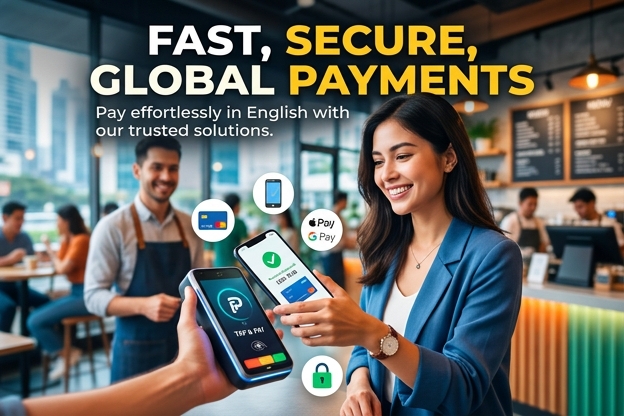
E commerce payment processing is the system that authorizes, routes, authenticates, and settles online payments between a shopper, a merchant, payment gateways, processors, acquiring banks, card networks, and issuing banks. In plain terms, it is the infrastructure that turns a customer’s click on “Pay Now” into approved revenue in your merchant account.
When it is configured well, customers see a fast and trusted checkout, approvals improve, fraud stays manageable, and cash flow becomes more predictable. When it is configured poorly, the opposite happens fast.
Table of Contents
- What e commerce payment processing actually includes
- How an online card transaction works behind the scenes
- The core players in the payment ecosystem
- Common pricing models and hidden costs
- Risk, fraud, chargebacks, and compliance realities
- Best practices for checkout performance and approval rates
- How Gambling Merchant Account approaches high-risk merchant needs
- Comparing payment setups by business model
- What is changing in payment processing through 2026
What E Commerce Payment Processing Actually Includes
Many store owners use the term loosely, but payment processing is not one tool. It is a stack. It can include a payment gateway, tokenization service, fraud engine, processor, acquirer, merchant account, subscription billing layer, recurring payment updater, chargeback management workflow, and reporting system.
That matters because a payment problem rarely sits in only one place. A merchant may blame the gateway when the real issue is issuer declines. Another may blame fraud rules when the root cause is poor billing descriptor clarity or missing customer service follow-up. Strong payment operations start with understanding the whole chain.
According to the 2024 Federal Reserve Payments Study, card-based and digital payment activity continues to dominate consumer payment behavior in the United States. That means the quality of your payment stack is not a technical side note; it is a revenue engine.
“The checkout page is where marketing effort becomes money or waste. If approvals are weak, paid traffic gets more expensive without anyone noticing right away.”
From an operational standpoint, most merchants should think about payment processing in five layers:
- Customer-facing checkout and wallet options
- Gateway and processor routing logic
- Fraud screening and authentication controls
- Settlement, reconciliation, and cash flow timing
- Dispute handling, compliance, and reporting
How an Online Card Transaction Works Behind the Scenes
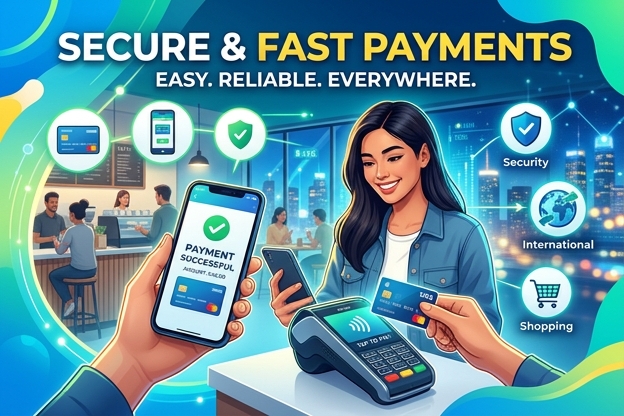
The flow looks simple to the customer, but several systems move in seconds. A shopper enters payment details or uses a stored card or digital wallet. The gateway encrypts the data and sends it to the processor. The processor routes the request through the card network to the issuing bank. The issuer checks available funds, fraud indicators, account status, and authentication results, then sends back an approval or decline. After that, the merchant captures the transaction, and settlement follows on the acquirer’s schedule.
Here is the process in practical order:
- The customer submits payment details or taps a wallet button.
- The gateway tokenizes and securely transmits the payment data.
- The processor sends the authorization request to the relevant card network.
- The issuing bank evaluates the transaction and returns approve or decline.
- The merchant captures the approved payment and the acquirer settles funds, minus fees, into the merchant account.
Every step can affect outcomes. If authentication is too aggressive, good customers may abandon checkout. If fraud rules are too loose, chargebacks rise. If the acquirer is a poor fit for the business model, reserve requirements or sudden account reviews can disrupt operations.
For subscription, gaming-adjacent, adult, nutraceutical, or other elevated-risk categories, processors often add tighter underwriting, velocity controls, and more detailed monitoring. That is why merchant fit matters as much as technology fit.

The Core Players in the Payment Ecosystem
Merchants often hear overlapping terms and assume they mean the same thing. They do not. Knowing the role of each party helps you ask better questions when comparing providers.
Payment Gateway
The gateway is the technology layer that securely captures and transmits payment data from checkout to the processor. Some gateways also provide tokenization, recurring billing tools, fraud filters, and wallet integrations.
Payment Processor
The processor handles the transaction routing and communication between the merchant, card networks, and issuing bank. Some providers bundle gateway and processing together, while others let you mix tools.
Acquiring Bank and Merchant Account
The acquiring bank sponsors the merchant into the card ecosystem and settles approved funds. The merchant account is where those funds are staged before payout. This relationship is especially important for businesses with chargeback-sensitive models.
Card Networks and Issuing Banks
Card networks such as Visa and Mastercard move transaction data and enforce rules. Issuing banks decide whether to approve or decline based on risk, account status, and customer behavior.
Fraud and Compliance Tools
These systems help support AVS, CVV checks, 3-D Secure, device fingerprinting, velocity rules, sanctions screening, tokenization, and PCI data protection.
A 2025 guidance update from the PCI Security Standards Council continues to push merchants toward stronger payment data protection, scoped system reduction, and tighter control over how sensitive authentication data is handled. Even small merchants benefit when they reduce exposure instead of storing more data than they need.
Common Pricing Models and Hidden Costs
Merchants frequently compare only the headline rate. That is risky. The real cost of processing includes hard fees, operational friction, and revenue loss from false declines.
The most common pricing models are interchange-plus, flat-rate, and tiered pricing. Interchange-plus is usually the clearest because it separates base card costs from processor markup. Flat-rate pricing is easy to understand but can become expensive as volume grows or card mix changes. Tiered pricing can be hard to audit because transactions may be classified into broad buckets with limited transparency.
Look beyond the advertised percentage. Hidden or overlooked costs often include:
- Chargeback fees and monitoring program penalties
- Monthly minimums, statement fees, and gateway fees
- Cross-border and currency conversion charges
- PCI noncompliance fees
- Reserve holds and delayed payouts
- Lost revenue from issuer declines or checkout abandonment
According to a 2024 Juniper Research analysis, digital commerce continues shifting toward wallets, embedded payments, and cross-border flows, which increases the importance of optimizing acceptance and cost control together rather than treating them as separate decisions.
Risk, Fraud, Chargebacks, and Compliance Realities
Online payments create more opportunity than card-present sales, but they also create more exposure. Fraud screening, chargeback control, card data security, and underwriting stability all matter. This is especially true when your business model has recurring billing, high average order values, long fulfillment windows, or regulated products.
Fraud Pressure Is Not Just About Stolen Cards
Friendly fraud, account takeover, refund abuse, promo abuse, and bot-driven card testing all affect payment performance. Many merchants focus only on blocking obvious fraud and miss the silent cost of false positives. Turning away a real customer hurts twice: you lose the sale and may lose the customer for good.
Chargebacks Can Damage Processor Relationships
Chargebacks are not only a fee event. They can affect your monitoring status, rolling reserve terms, underwriting reviews, and long-term processing stability. A business with a weak post-purchase experience may see disputes rise even if fraud is low.
“Most chargeback problems start before the chargeback. They begin with unclear billing descriptors, confusing renewal terms, delayed support replies, or missing delivery communication.”
Compliance Should Be Practical, Not Performative
PCI compliance, customer consent records, refund clarity, age-gating where applicable, and strong transaction logs are operational necessities. If your category faces extra scrutiny, you also need a processor that understands how to document controls in a way underwriters trust.
Best Practices for Checkout Performance and Approval Rates
High-performing merchants treat payments as a conversion discipline. The right setup should protect the business without making checkout feel suspicious or heavy.
Offer the Right Payment Mix
Cards remain essential, but digital wallets can reduce friction and improve mobile conversion. Depending on your audience, ACH, local payment methods, and alternative payment options may also matter.
Reduce Unnecessary Checkout Friction
Ask only for what you need. Long forms, unnecessary redirects, and weak mobile design lower completion rates. Keep trust elements visible, especially for new customers.
Use Smart Retry and Routing Logic
Some declines are final. Others are soft declines that can succeed with better retry timing, cleaner data, or alternate routing. Merchants with scale often see measurable gains from refined retry strategy.
Make Billing Clear Before and After the Sale
Clear descriptors, visible support details, shipping communication, renewal reminders, and simple cancellation flows all help reduce disputes.
Track the Metrics That Actually Matter
Good payment reporting goes beyond total sales. Watch approval rate, decline code patterns, fraud rate, chargeback ratio, refund ratio, average settlement time, and wallet adoption by device type.
I have seen merchants spend heavily on traffic while ignoring the fact that one in five valid customers was being declined. In one review we handled at Gambling Merchant Account, the merchant had strong creative and healthy demand, but mobile wallet support was missing and the processor was a poor fit for its category. After a structured payment audit, approvals improved, chargeback noise dropped, and cash flow became more predictable within a single billing cycle.
How Gambling Merchant Account Approaches High-Risk Merchant Needs
Not every business can use a generic payments setup. Businesses in higher-risk verticals often need stronger underwriting support, more deliberate fraud controls, and processors that understand category-specific rules instead of reacting to them after problems show up.
At Gambling Merchant Account, we usually start with business-model fit rather than a rate sheet. We review transaction patterns, average ticket size, customer geography, refund policy, delivery timing, historical disputes, and the role of recurring billing. That gives us a clearer picture of what kind of acquiring relationship and gateway configuration will actually hold up under volume.
One merchant we worked with had recurring billing, a high international mix, and too many generic issuer declines. I personally reviewed the decline data with the team and found that the problem was not customer quality. The problem was routing, inconsistent descriptor logic, and checkout friction on mobile. After adjusting processor alignment, adding better fraud segmentation, and tightening customer communication, the merchant saw stronger approvals without taking on reckless fraud exposure.
Another case involved a business that had been approved by a provider that clearly did not want the account. Reserve pressure increased, support was slow, and payout predictability deteriorated. We helped restructure the setup around a more suitable underwriting profile and cleaner operating documentation. The merchant did not just get a payment account; it got a more durable processing foundation.
Comparing Payment Setups by Business Model
No single setup is best for every merchant. The right payment architecture depends on risk profile, sales channel, geography, and operational maturity.
| Business Type | Typical Payment Needs | Main Risk Point | Best-Fit Processing Focus |
|---|---|---|---|
| Direct-to-consumer apparel brand | Fast checkout, wallets, easy refunds | Cart abandonment | Mobile optimization and one-click payment methods |
| Subscription wellness merchant | Recurring billing, updater tools, clear consent records | Friendly fraud and cancellations | Descriptor clarity, retry logic, and dispute management |
| Digital goods seller | Instant authorization, fraud screening, global card support | Card testing and account takeover | Velocity rules and device intelligence |
| Gaming or high-risk entertainment operator | Specialized underwriting, compliance controls, multi-region acceptance | Chargeback pressure and reserve instability | High-risk acquiring expertise and detailed risk monitoring |
What Is Changing in Payment Processing Through 2026
The next two years will reward merchants that treat payments as strategy, not plumbing. Wallet adoption will keep rising, issuer-side fraud controls will remain aggressive, and merchants will need better orchestration across gateways, acquirers, and risk tools.
Several shifts stand out:
- More digital wallet usage on mobile and desktop
- Stronger use of tokenization and network-based card lifecycle tools
- Greater focus on soft-decline recovery and payment routing
- More pressure for transparent consent records in recurring billing
- Higher merchant interest in payment orchestration for redundancy and optimization
According to 2025 merchant payments commentary from large enterprise payment providers and card ecosystem stakeholders, businesses are increasingly prioritizing resilience: fewer single points of failure, better local acceptance, and tighter integration between fraud and authorization strategy.
That does not mean every business needs a complex stack. It means every business needs an intentional one.
Conclusion
E commerce payment processing affects revenue, customer trust, fraud exposure, and operational stability more than most merchants expect. The right setup does more than move money. It improves approvals, supports compliance, reduces avoidable disputes, and gives your business room to grow without payment breakdowns becoming the bottleneck.
Gambling Merchant Account recommends three practical next actions:
- Audit your approval and decline data by device, card type, and geography.
- Review whether your processor and acquiring setup actually match your business model and risk profile.
- Strengthen checkout clarity, billing descriptors, and dispute prevention before scaling ad spend.
References
- Federal Reserve Payments Study, 2024: Provided recent context on the ongoing dominance of digital and card-based consumer payments in the United States.
- Juniper Research, 2024: Offered market direction on digital commerce growth, wallet usage, and the broader evolution of online payments.
- PCI Security Standards Council, 2025 guidance: Reinforced current expectations around payment data security, scope reduction, and compliance controls.
FAQ
What is e commerce payment processing?
-
It is the system that securely authorizes, routes, verifies, and settles online payments between your customer, payment gateway, processor, card network, issuing bank, and merchant account. In simple terms, it is the technology and banking infrastructure that lets an online store accept payments and receive funds.
How does e commerce payment processing work?
-
The typical flow looks like this:
-
The customer enters card details or uses a digital wallet
-
The gateway encrypts and sends the data securely
-
The processor routes the request to the card network and issuing bank
-
The bank approves or declines the transaction
-
Approved funds are captured and settled into the merchant account
Why do online payment declines happen so often?
-
Declines can happen for many reasons, and not all of them mean the card is bad. Common causes include:
-
Insufficient funds or issuer risk blocks
-
AVS or CVV mismatches
-
Fraud-screening rules that are too strict
-
Expired cards or customer input errors
-
Processor or routing mismatches for the merchant category
What fees should merchants watch in e commerce payment processing: What It Is, How It Works, and Best Practices?
-
Merchants should look beyond the headline rate and review the full cost structure, including:
-
Interchange and processor markup
-
Gateway and monthly account fees
-
Chargeback and refund-related costs
-
Cross-border and currency conversion fees
-
Reserve holds and PCI noncompliance penalties
What is the difference between a payment gateway and a processor?
-
A payment gateway captures and securely transmits payment information from the checkout page, while a processor routes the transaction through the card network to the issuing bank for approval or decline. Some providers combine both functions, but they are not the same role.
How can merchants reduce chargebacks?
-
The most effective chargeback reduction plan usually combines prevention, communication, and fast support:
-
Use clear billing descriptors and visible support contacts
-
Set accurate shipping and renewal expectations
-
Keep strong fraud controls without blocking too many good customers
-
Respond quickly to refund and cancellation requests
-
Monitor dispute reason codes and fix repeat operational problems
Is a specialized merchant account necessary for high-risk businesses?
-
In many cases, yes. Businesses with recurring billing, elevated chargeback risk, regulated products, gaming-related models, or large international volume often need underwriting and acquiring partners built for that risk profile. A specialized provider can improve stability, approval rates, and long-term account durability.