Instant Issuance: The Complete Guide to Instant Card Issuance
Instant Issuance: The Complete Guide to Instant Card Issuance matters when customers want a usable card before they leave the counter, and your team cannot afford slow back-office delays. If you run a casino, gaming venue, or high-volume retail operation, Gambling Merchant Account can help you turn card delivery into a faster, cleaner, more profitable experience.
Long queues, lost applications, and abandoned sign-ups usually come from one root problem: the customer expects speed, while your issuance process still behaves like a paperwork workflow. That gap costs revenue, weakens first impressions, and creates avoidable service pressure for staff.
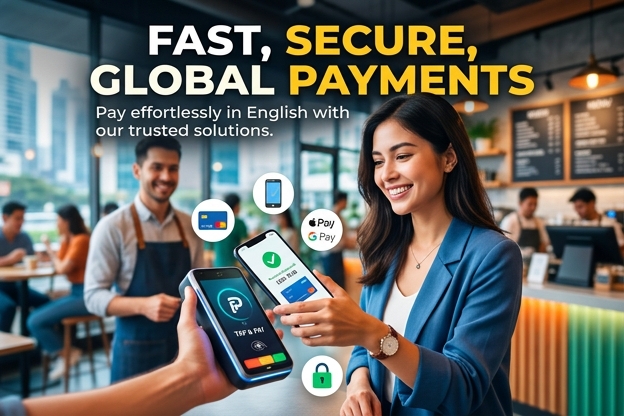
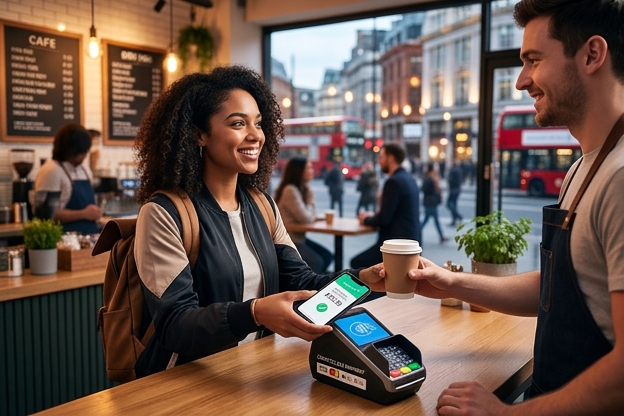
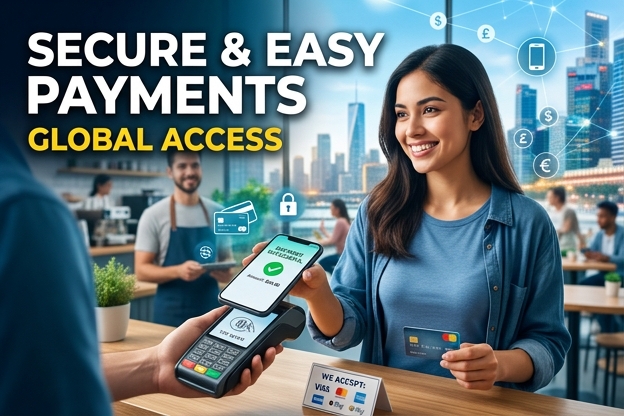
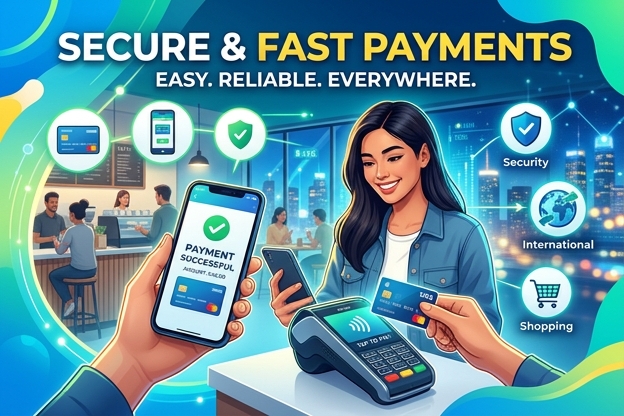
Instant card issuance is the practice of producing and activating a payment or branded card on the spot, at the branch, counter, or kiosk. The card is personalized, encoded, and ready for use within minutes, helping businesses reduce wait times and improve activation rates.
For operators that depend on repeat visits, loyalty, and same-day spend, instant issuance can be more than convenience. It can become a conversion tool that shortens the path from signup to transaction.
Table of Contents
Overview of instant issuance and why it matters for customer experience
How instant card issuance works from application to activation
Business benefits that affect revenue, retention, and service speed
Security, compliance, and fraud controls you need in place
Technology stack and vendor selection criteria
Implementation checklist for operational teams
Common mistakes and how to avoid them
Real-world use cases from gaming, retail, and financial services
Future trends shaping card issuance in 2026
Why Instant Issuance Changes the Customer Experience
Customers rarely complain that a card exists; they complain that they have to wait for it. In sectors where impulse, loyalty, and immediate access matter, delay creates drop-off. A guest who signs up today is far more likely to activate and spend if the card is available before they leave.
That is why Gambling Merchant Account treats issuance speed as part of the checkout experience, not just an administrative task. Faster issuance reduces friction at the exact moment when intent is highest, which helps turn a new account into an active relationship.
For high-touch businesses, instant issuance also supports staff performance. Employees spend less time explaining delays and more time helping customers complete a transaction, redeem a benefit, or make a first purchase.
How the Process Actually Works
The workflow is straightforward, but execution quality matters. A customer submits identity and eligibility details, the system verifies the account, and approved data is sent to a desktop or branch issuance device. The card is then printed or embossed, encoded, and activated according to policy.
The best systems keep the process invisible to the customer. Good orchestration connects the issuer, software, printer, activation rules, and security checks so the card is ready when the guest is still at the counter.
Core operational steps
- Capture applicant details and verify identity.
- Run approval and risk checks in real time.
- Personalize the card with account data.
- Encode chip or magnetic stripe credentials.
- Activate the card under controlled rules.
- Hand the card to the customer with clear usage guidance.
Pro Tip: Make activation messaging part of the handoff. A card that is issued instantly but poorly explained often underperforms because the customer does not know where or how to use it.
Business Benefits That Actually Move the Needle
Instant issuance is not only about speed. It influences revenue capture, conversion, and support efficiency. When customers can use the card immediately, first-use rates typically rise because there is no cooling-off period between signup and spending.
Industry reports support the broader trend toward frictionless service. Gartner has repeatedly noted that customer experience is now a primary competitive battleground, while Juniper Research has projected strong growth in digital and real-time payment expectations across consumer-facing industries. In practical terms, speed now signals competence.
Where the upside shows up
- Higher activation rates
- Better first-day spend
- Lower abandonment at onboarding
- Reduced call-center and front-desk pressure
- Stronger loyalty and repeat visits
| Business Type | Common Issuance Model | Typical Pain Point | Instant Issuance Advantage |
|---|---|---|---|
| Casino loyalty program | Mailed card after enrollment | Guests leave before activation | Same-visit card use and quicker play conversion |
| Regional bank branch | Centralized fulfillment | 3 to 7 day wait for new cards | Reduced churn after account opening |
| Retail gift card counter | Manual register processing | Queue buildup during peaks | Faster checkout and fewer abandoned purchases |
| Hotel membership desk | Email confirmation only | Low enrollment follow-through | Immediate membership utility at check-in |
“Instant issuance works when the business treats speed, security, and activation as one system, not three separate tasks.”
Security and Compliance Cannot Be an Afterthought
Speed creates risk if controls are weak. Card issuance involves sensitive identity data, payment credentials, and activation authority, so the workflow has to be designed with strict access control, auditability, and role-based permissions.
PCI-aligned handling, secure device management, and documented approval logic are non-negotiable. If your process allows unauthorized reprints or uncontrolled activations, you are trading convenience for exposure.
What to put in place
Use the following safeguards before rollout:
- Role-based user access for issuance operators
- Device logging and tamper monitoring
- Encrypted data transfer between systems
- Audit trails for print, encode, and activation events
- Clear exception handling for reissues and overrides
- Regular vendor and workflow reviews
Pro Tip: Build a manual fallback process for outages. The best instant issuance programs are fast when systems work and controlled when they do not.
Technology Decisions That Affect Performance
Not every instant issuance setup is equal. Some systems are ideal for branch banking, while others are better suited for casino loyalty desks, travel counters, or retail kiosks. Your selection should start with workflow volume, card type, staff skill level, and uptime requirements.
Gambling Merchant Account recommends evaluating vendors on operational fit rather than marketing language. A strong system should integrate with your account platform, support secure personalization, and scale without turning every expansion into a new implementation project.
Vendor selection criteria
Ask about these before signing:
- Integration with existing core or CRM systems
- Supported card formats and encoding standards
- Average personalization speed per device
- Replacement part availability and service SLAs
- Training requirements for frontline staff
- Reporting, audit, and exception management tools
“If your staff needs a technician every time the printer jams, your issuance model is not ready for scale.”
A Real-World View From the Field
I worked with a gaming operator that had strong foot traffic but weak enrollment completion. Guests would sign up for a loyalty card, then walk away before receiving anything useful. We introduced an instant issuance workflow with tighter verification, a simplified handoff script, and a more visible activation process.
Within weeks, the staff reported fewer abandoned signups and less confusion at the desk. The real win was not just speed; it was the confidence the process gave to both employees and guests. The card felt immediate, which made the program feel real.
Another Case Study: What Changed After the Rollout
At Gambling Merchant Account, we advised a multi-location entertainment client that was losing time during peak evening hours. Their old card fulfillment model pushed new members into a next-day workflow, which meant staff had to explain delays repeatedly. That created friction exactly when the venue wanted momentum.
After implementing instant issuance at the point of enrollment, the client saw a smoother front desk, faster first-use behavior, and better coordination between risk checks and service delivery. The key lesson was simple: when the card is immediate, the relationship feels immediate.
Challenges, Tradeoffs, and Limits
Instant issuance is powerful, but it is not universal. If your approval process is highly manual, if your compliance requirements are unusually strict, or if your location has low issuance volume, the return on investment may be slower than expected.
There is also a staffing reality. Frontline employees need training, and managers need oversight. If the workflow is introduced without operational discipline, the result can be inconsistent customer experiences, duplicated records, or avoidable security exceptions.
Common failure points
- Weak identity verification
- Overly complex enrollment screens
- Poor device maintenance
- Confusing activation instructions
- No ownership for exception resolution
Implementation Playbook for Faster Results
Start with one location or one use case, then measure the workflow before scaling. The fastest path to success is rarely a full rollout; it is a controlled launch with clear ownership, service metrics, and feedback loops.
Recommended rollout sequence
- Select a high-volume, low-complexity pilot site.
- Define approval, printing, and activation rules.
- Train staff on device use and customer scripting.
- Test rollback procedures and exception handling.
- Track activation, reissue, and service-time metrics.
- Expand only after the pilot is stable.
Future Trends Shaping Instant Card Issuance
The next wave of issuance will be more connected, more automated, and more policy-aware. Expect tighter integration with identity verification, AI-assisted fraud screening, and more flexible card personalization options.
We are also seeing a stronger push toward omnichannel issuance. Customers may start online, verify in person, and leave with a usable card in hand. That hybrid model is becoming the standard for businesses that want both speed and control.
Conclusion
Instant issuance works because it reduces friction at the moment of highest intent. It helps customers act now, gives staff a cleaner workflow, and creates a more professional first impression.
Gambling Merchant Account recommends these next actions:
- Audit your current issuance delays and activation drop-off points.
- Pilot instant issuance in one high-value location.
- Review security, compliance, and exception handling before scaling.
References
Gartner: Provided guidance on customer experience as a competitive priority.
Juniper Research: Contributed market context on real-time and frictionless payment expectations.
PCI Security Standards Council: Informed security and compliance considerations for payment-related workflows.
FAQ
What is instant card issuance?
-
It is the process of producing, encoding, and activating a card on the spot so the customer can use it immediately after approval.
How secure is Instant Issuance: The Complete Guide to Instant Card Issuance for regulated businesses?
-
It can be very secure when identity checks, access controls, audit logs, and encrypted device workflows are built into the process.
Which industries benefit most from instant card issuance?
-
Banking, gaming, retail loyalty, hospitality, and membership-driven businesses often see the strongest gains because immediate access improves conversion and first-use rates.
What equipment is needed for instant issuance?
-
Most setups include issuance software, a secure printer or embosser, encoding capability, and a controlled workstation with audit logging.
What are the main risks of instant issuance?
-
The biggest risks are weak identity verification, poor device controls, inconsistent staff training, and exception handling gaps.